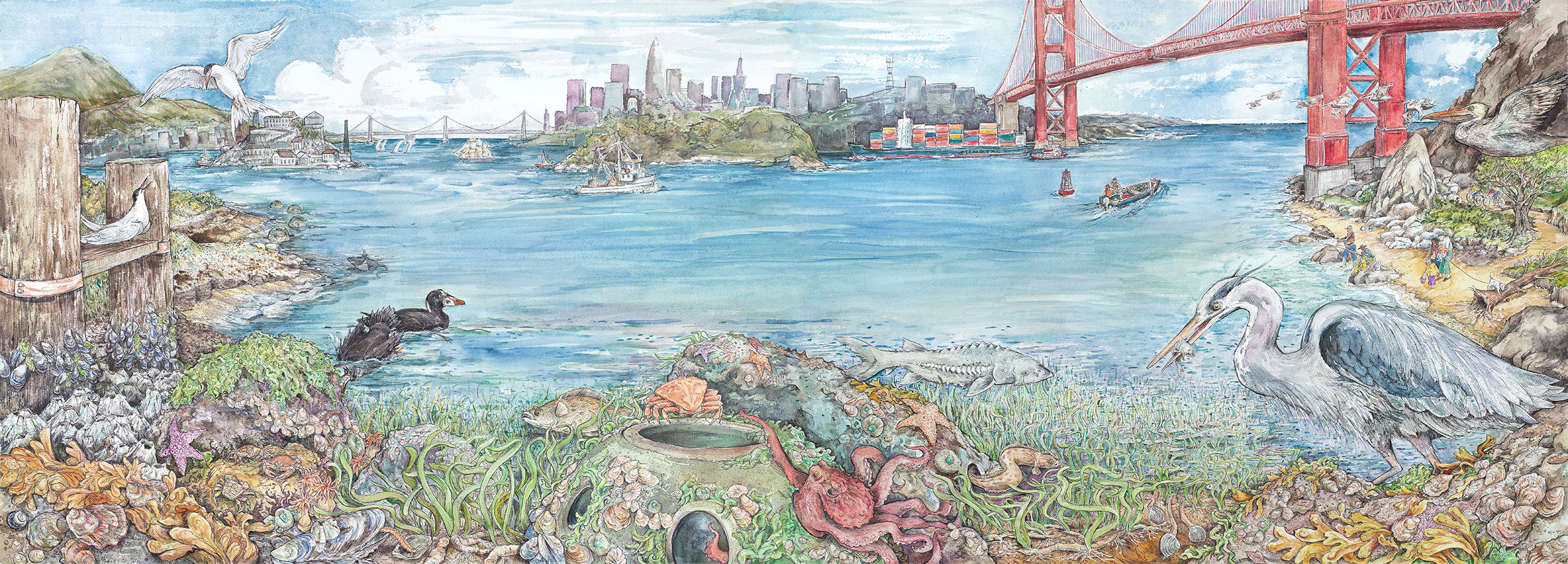
Olympia Oyster Community

illustration showing various species in estuary
Illustration by Laurie Sawyer

Who Lives Here?

Olympia oysters grow on a variety of shoreline materials as well as in deeper nearshore waters. They can grow on rocks, sandbeds, pebbly beaches, shell mixed with mud, or other hard surfaces like pier pilings, riprap, old shells, or structures put out by groups interested in increasing the hard substrate for oysters to grow on. These surfaces are often surrounded by squelching, boot-sucking mud. It is not easy terrain for people to explore. But it is a rich and productive world. The illustration introducing this webstory paints a vibrant picture of this richness. There is a lot going on. Dive into the details of the illustration and meet ten species woven into the Oly’s world. This is a tiny subsample of estuarine biodiversity, but these ten organisms, from tiny plankton to large herons, can point us towards understanding what a healthy Bay looks, feels, and sounds like. We humans are an integral part of this biodiversity. Work researching and designing Olympia oyster, eelgrass and other estuarine habitat restoration projects plays an important stewardship role, boosting Olympia oyster numbers and the recognition of this tiny but mighty mollusk. The stories of these interwoven characters are a drama about the future vitality of the Bay itself.
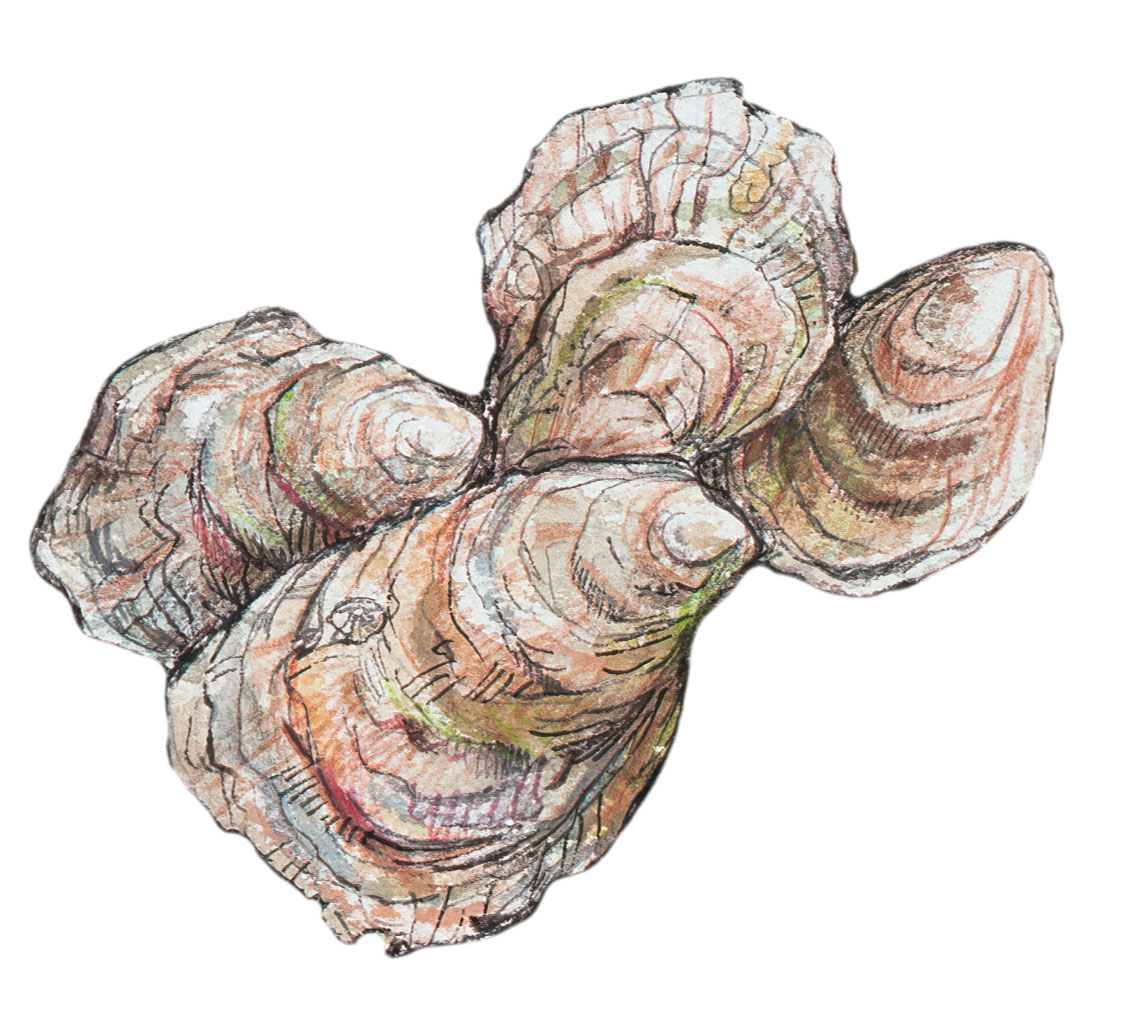
color pencil illustration of cluster of Olympia Oysters

Olympia Oyster, Ostrea lurida

A small oyster that is the only native species to the Pacific Coast of North America, the hero of this story. Olys, along with eelgrass and salt marsh, are foundation species that form one of the several biogenic (living) habitat types of Pacific coast estuaries. Oysters are filter feeders, feeding on phytoplankton and cleaning and clearing surrounding waters. Olys are particularly slow growers; while they can reproduce after a year they take 3–5 years to reach their maximum size. The structures they build as they grow on top of each other create dimensional habitat for other marine species. They are the centerpiece of a community of organisms that keep the Bay vibrant and alive.

Learn more
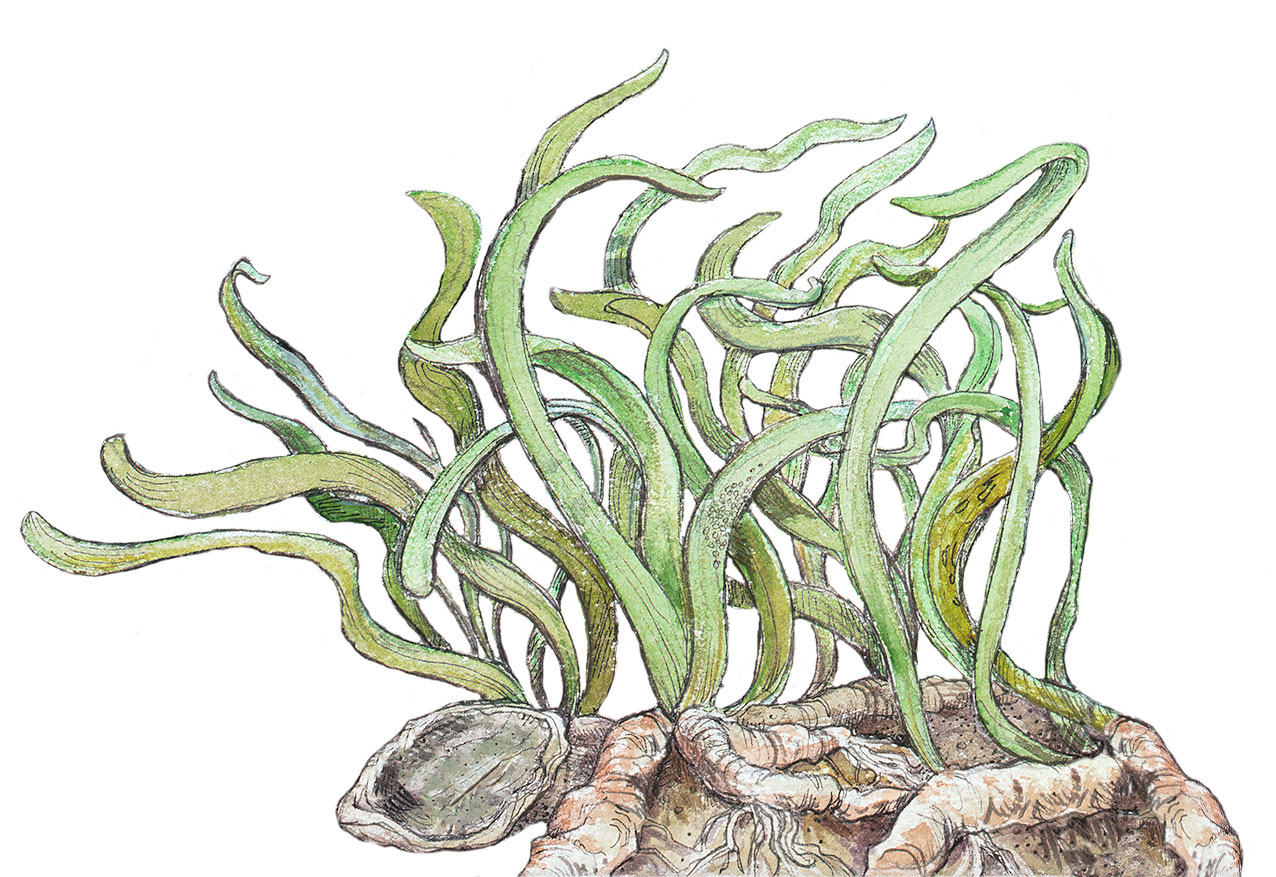
color pencil illustration of eelgrass

Eelgrass, Zostera marina

Another protagonist in the San Francisco Bay’s estuarine waters. Eelgrass is an aquatic plant that, as a patch of marine forest in the middle of the Bay or in proximity to Olympia oyster beds closer to shore, creates the conditions for a Bay full of diverse life-forms, a condition we humans can agree is a healthy trajectory for those that live along these shores. Eelgrass beds, just like oyster beds, form a distinctive Pacific coast habitat type.

Learn more
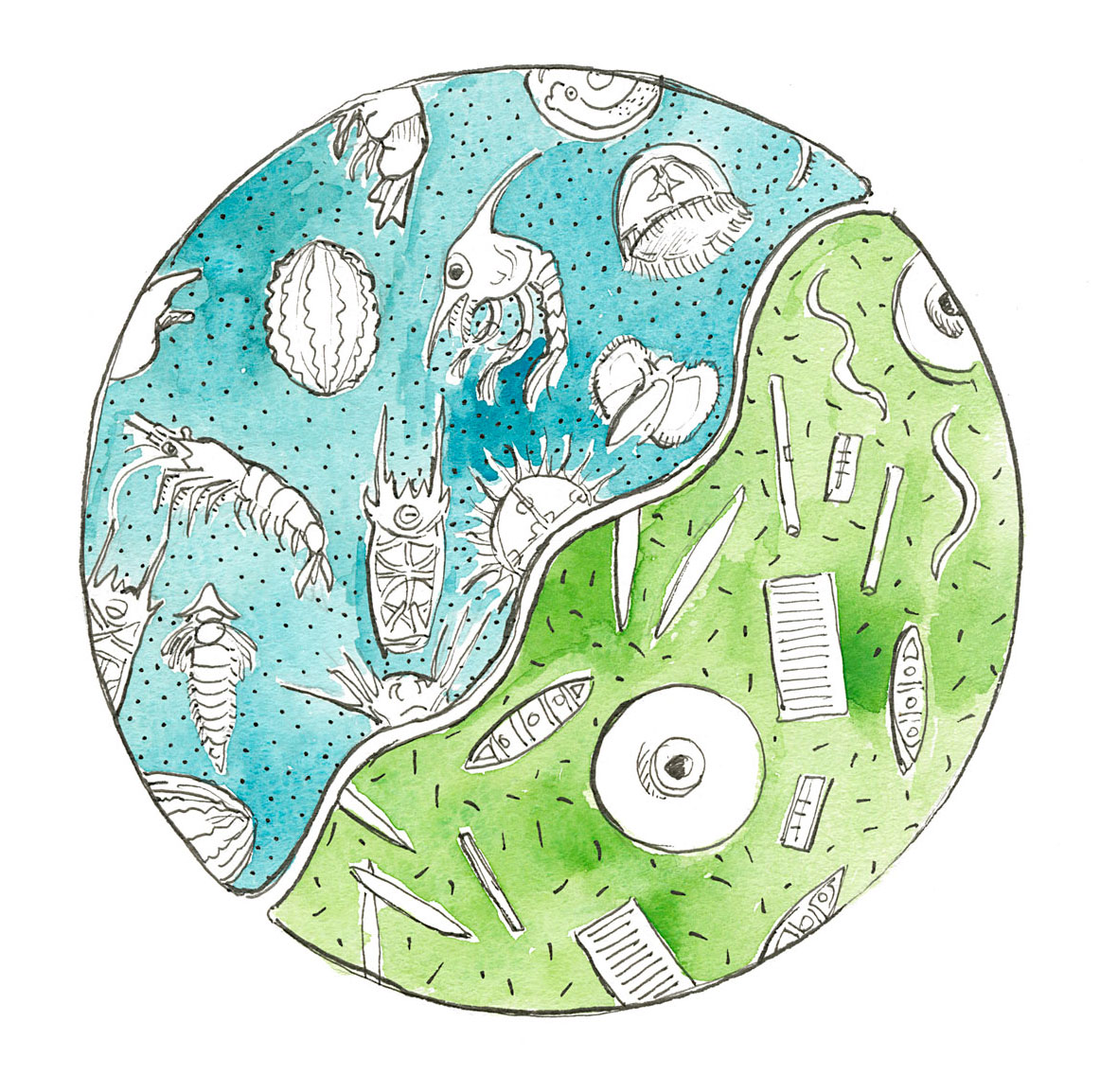
illustration of zoo and phyto plankton

Phytoplankton and Zooplankton

Phytoplankton are microscopic, single-celled algae, the main source of primary production in oceans and estuaries, forming the base of aquatic food webs by converting sunlight and nutrients into organic matter. Oysters predominantly eat phytoplankton. Zooplankton are tiny animals, often the larval stage of fish, sea stars, oysters, and other critters we recognize, that eat the phytoplankton, becoming the first tier of consumers in the complex estuarine food network. Olys eat small zooplankton too.

Learn more
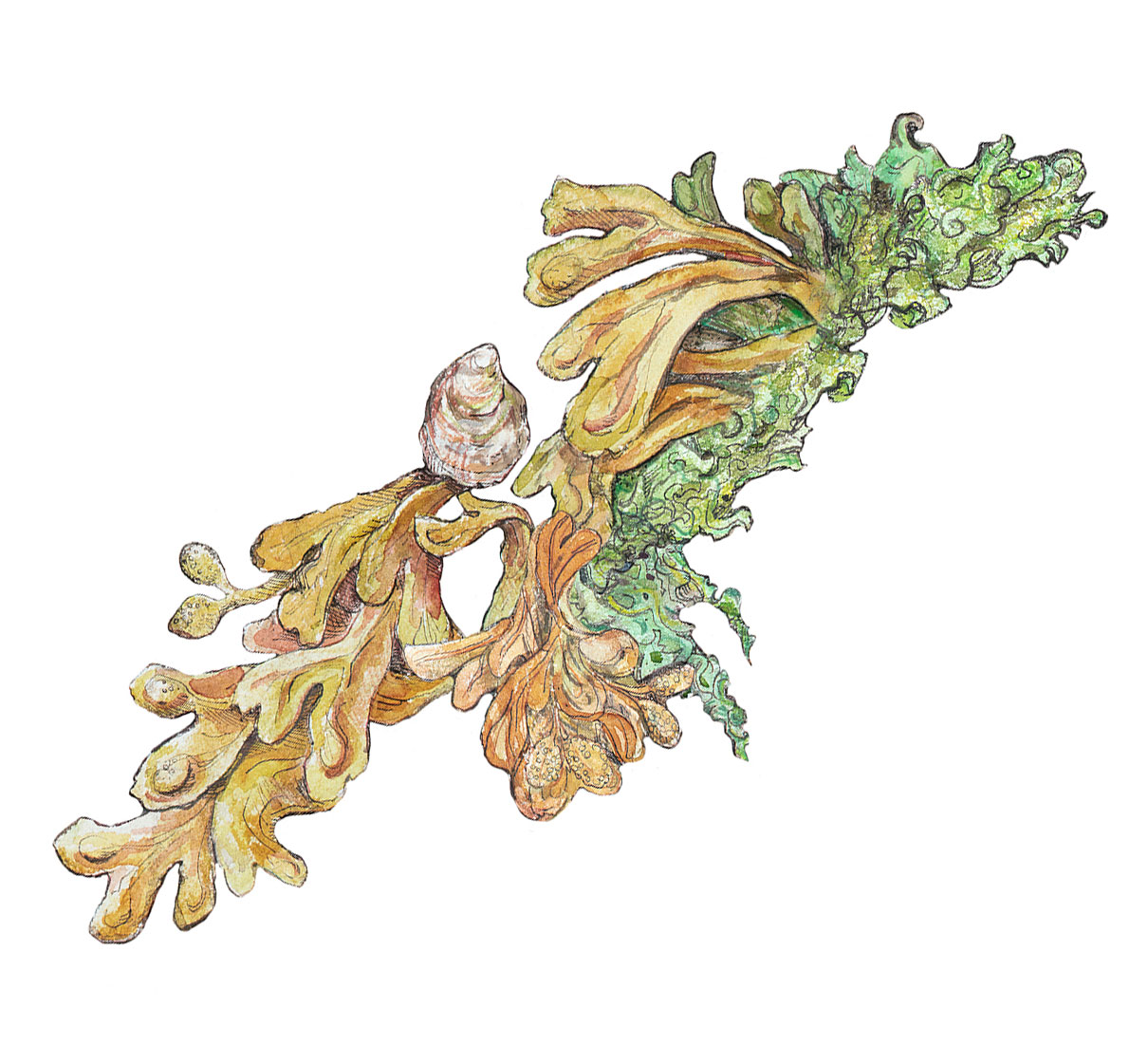
illustration of seaweed

Seaweed

Rockweed (Fucus distichus), Sea Lettuce (Ulva spp.)

Seaweeds are experts at trapping moisture in the intertidal zone. The great beneficence of both sea lettuce and rockweed for Olympia oysters hiding underneath on the same rocky surface is their leafy, damp shade during a scorching low tide. Rockweed is a classic brown algae, while sea lettuce is a signature seaweed in the green category. These two are by far the most common seaweeds found in the intertidal zone around San Francisco Bay, and form another biogenic habitat type, an essential place for small organisms. They are great partners for Olys.

Learn more
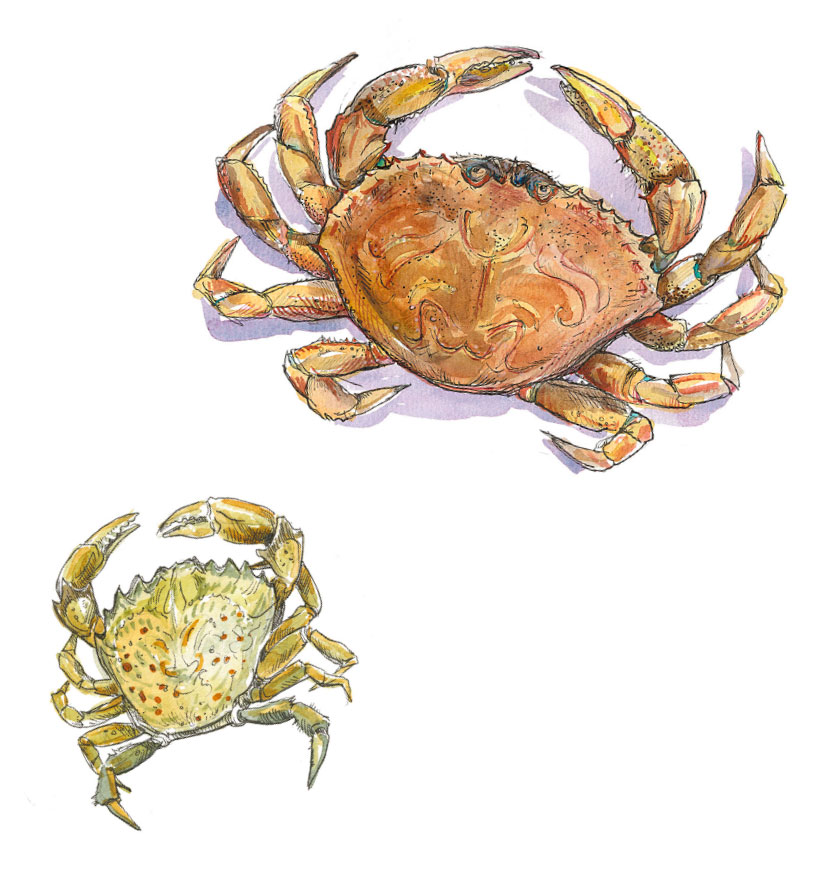
illustration of crabs

Crabs

Dungeness Crab (Metacarcinus magister), 
Rock Crabs (Cancer spp.), Green Crab (Carcinus maenas).

We think about crabs crawling and hiding on the ocean floor near the beach or cobbled shore, encountered under overturned rocks and in crooks and crannies along the Bay’s edge, but the journey of the teenage Dungeness crabs from the shorelines of San Pablo Bay along the deeper trenches of the greater San Francisco Bay out the Golden Gate into the ocean bottom realm of the wider Pacific Ocean is an impressive image to hold onto…as crabs don’t swim…they skitter and crawl. Green crabs, it is good to be reminded, are an invasive menace.

Learn more
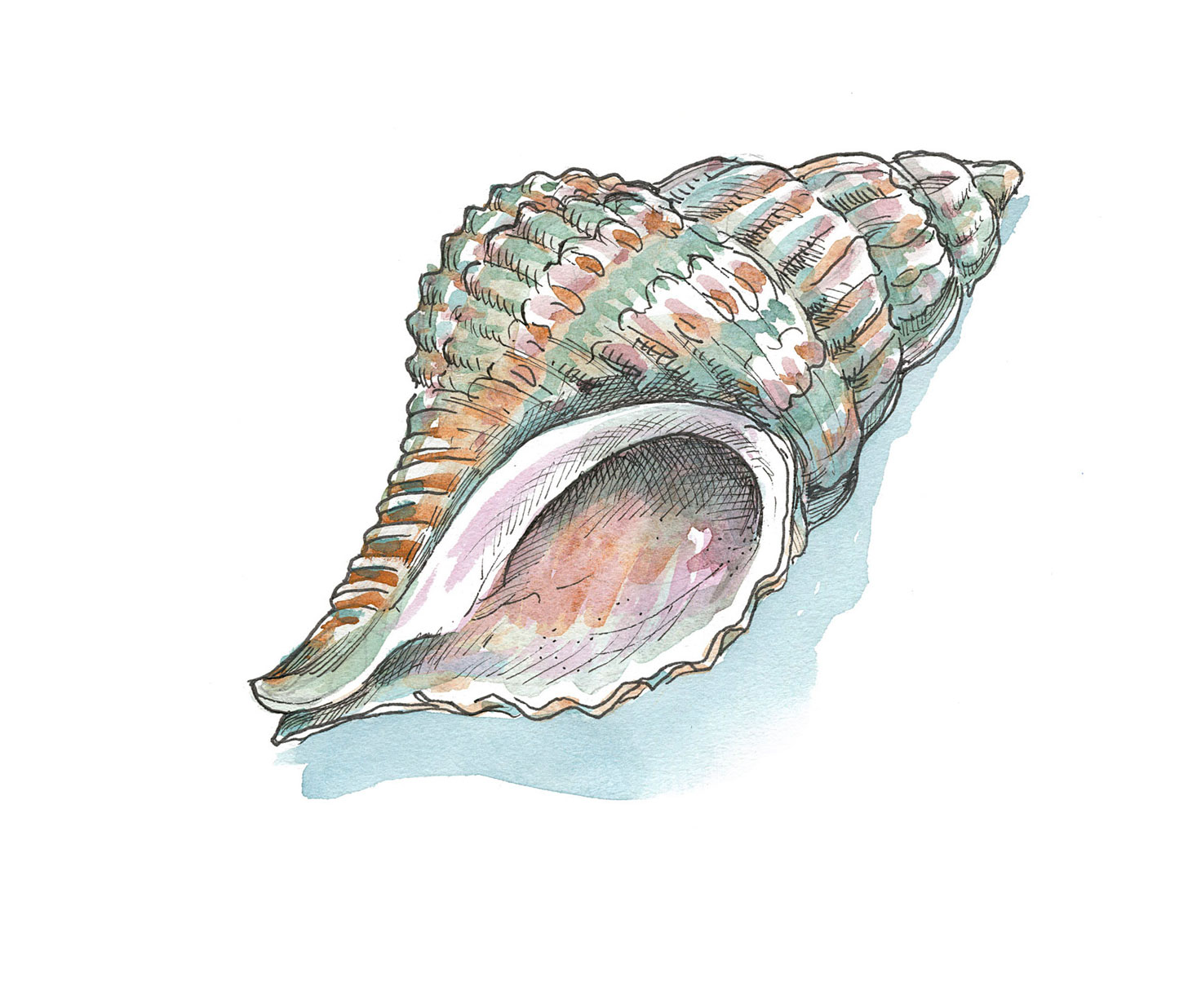
illustration of oyster drill

Oyster Drill, Urosalpinx cinerea

The Atlantic oyster drill came west with the very first batches of Eastern oysters brought to the Bay by the transcontinental railroad as soon as it was completed in 1869. The hitchiker snail has been an invasive resident in the Bay ever since and is a primary predator of the native Olympia oyster. It can drill a hole through the Olys shell and feed on the oyster within.

Learn more
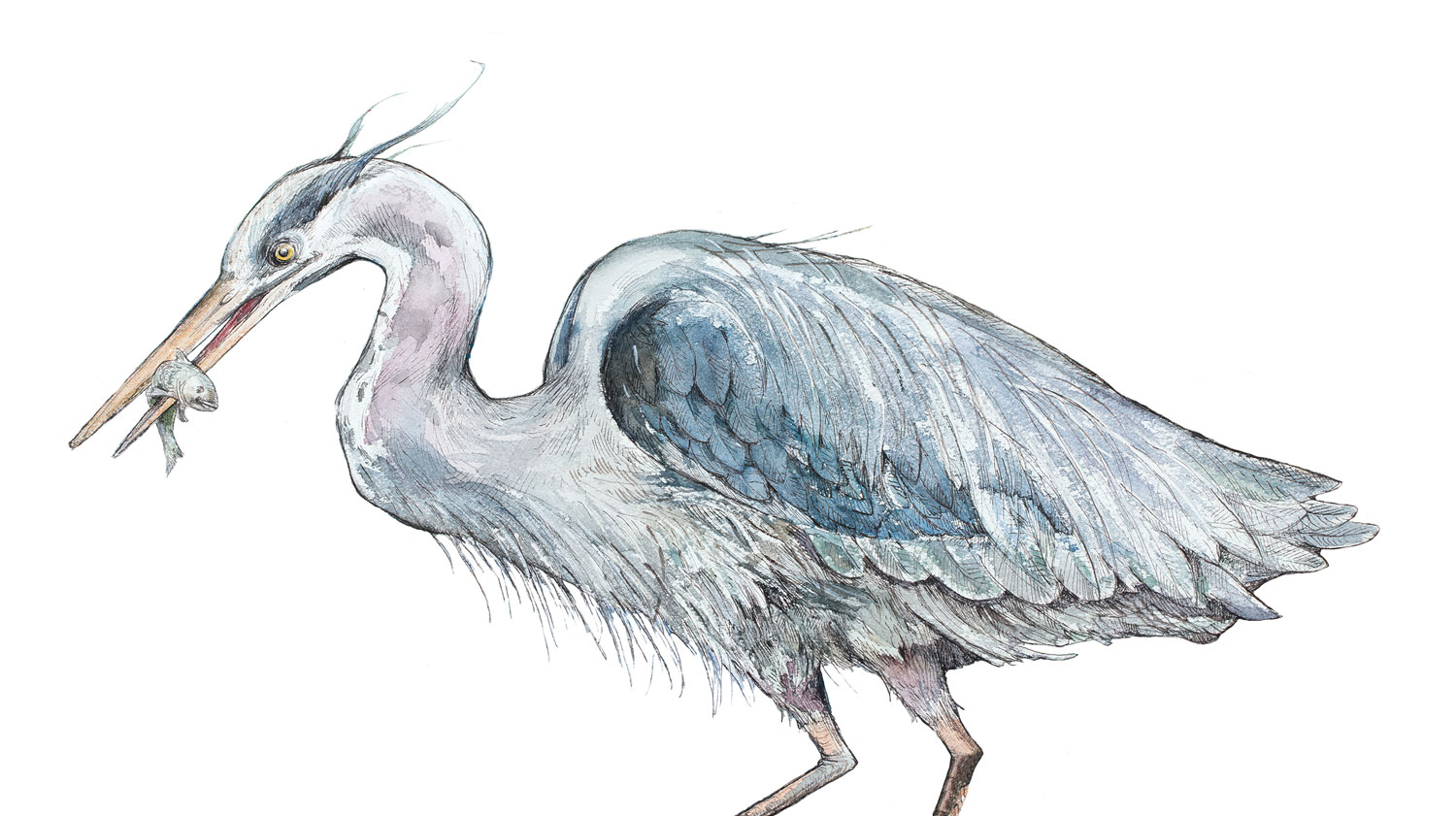
illustration of heron with fish in its mouth

Birds

Surf Scoter (Melanitta pericillata), Great Blue Heron (Ardea herodias), California Least Tern (Sterna antillarum browni)

Birds love oyster beds. There are so many interesting things that congregate in an oyster bed that diving birds love to dive for, dabbling ducks like to dabble at, and migrating birds depend on as valuable protein source for continuing their journeys north or south. Small fish around oyster beds can attract large raptors, or stalking herons.

Learn more
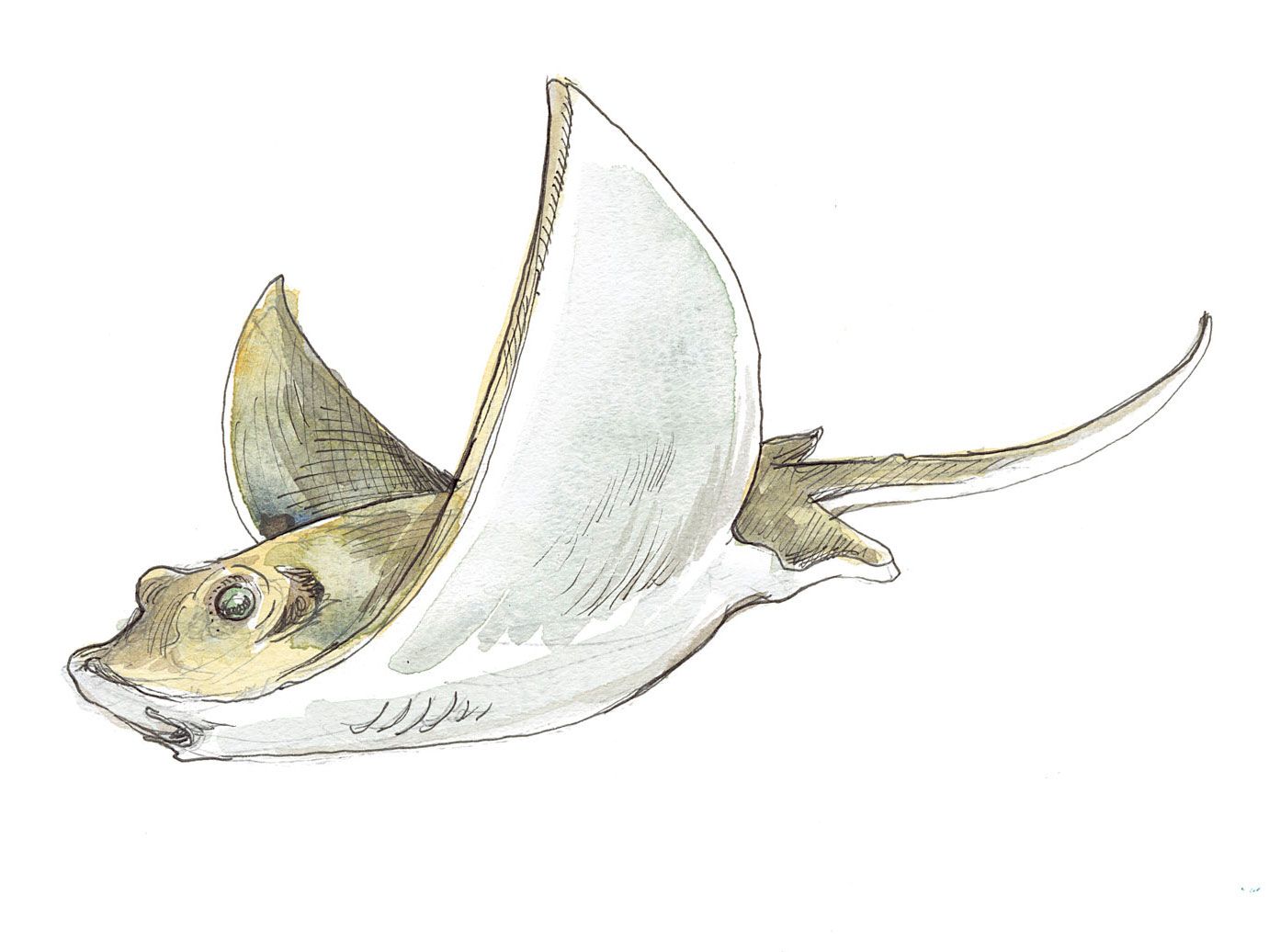
illustration of bat ray

Bat Ray, Myliobatis californica

Bat Rays are common in San Francisco Bay and an oyster predator. They fly above the sandy bottom sensing clams and other mollusks. Once found, they disturb the bottom and dig a trench of sorts with their wings to unbury their prey which they crunch in their plate-like jaws, leaving a trail of shells.

Learn more
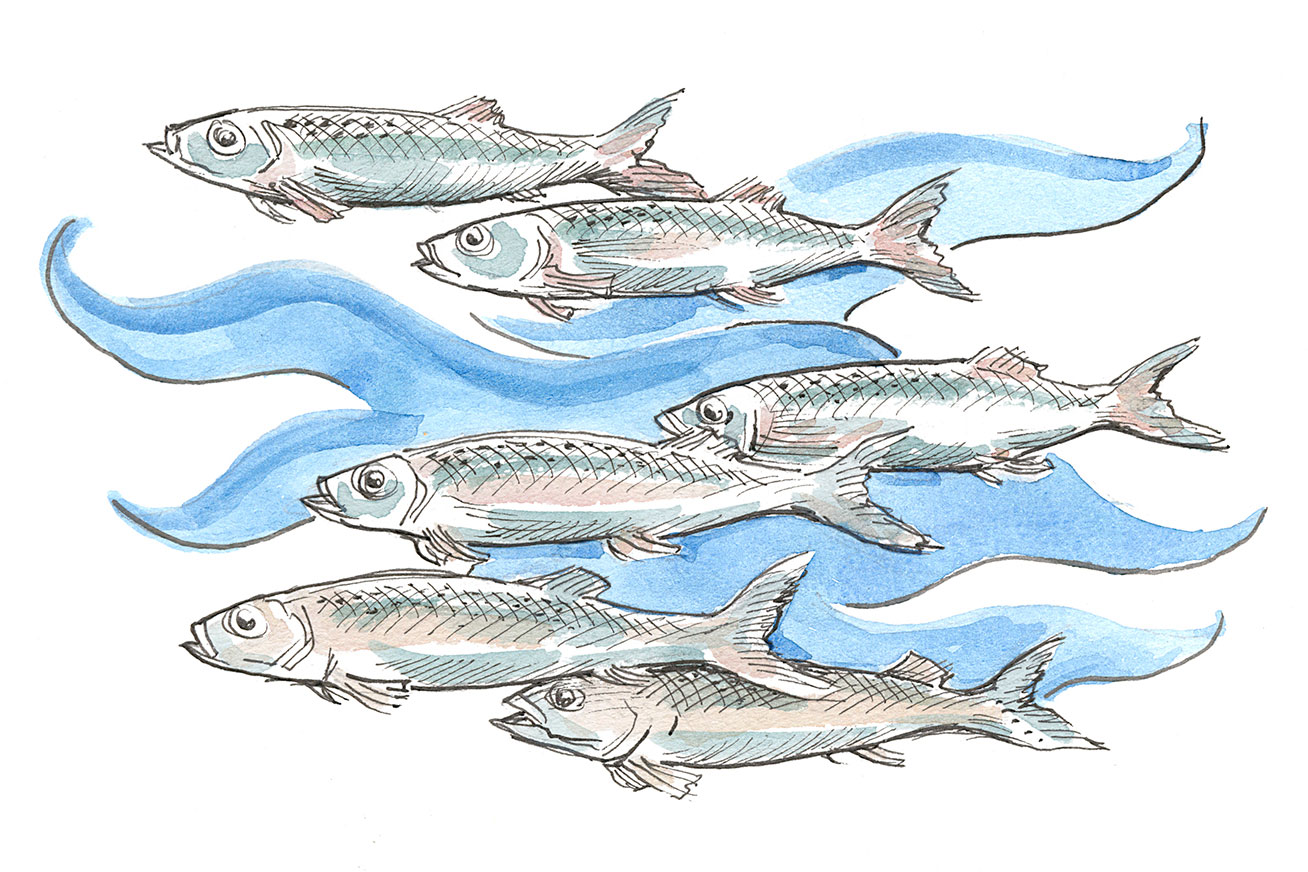
Illustration of small school of herring

Fish

Pacific Herring (Clupea pallasii), Sturgeon (Sinosturio transmontanus spp.), Bay Goby (Lepidogobius lepidus)

There are many fish that feed on smaller organisms in eelgrass beds in San Francisco Bay: perch, goby, sculpin, gunnel, kelpfish, bay pipefish, three-spine stickleback, juvenile rockfish, juvenile California halibut, English sole, Pacific herring, sturgeon, and topsmelt. Some of the larger predators include leopard sharks and bat rays. Pacific herring, sturgeon, and gobies represent this wide range of fish. From tiny to majestic, each has a relationship to the oyster and eelgrass’s muddy habitat that help us appreciate its richness and complexity.

Learn more
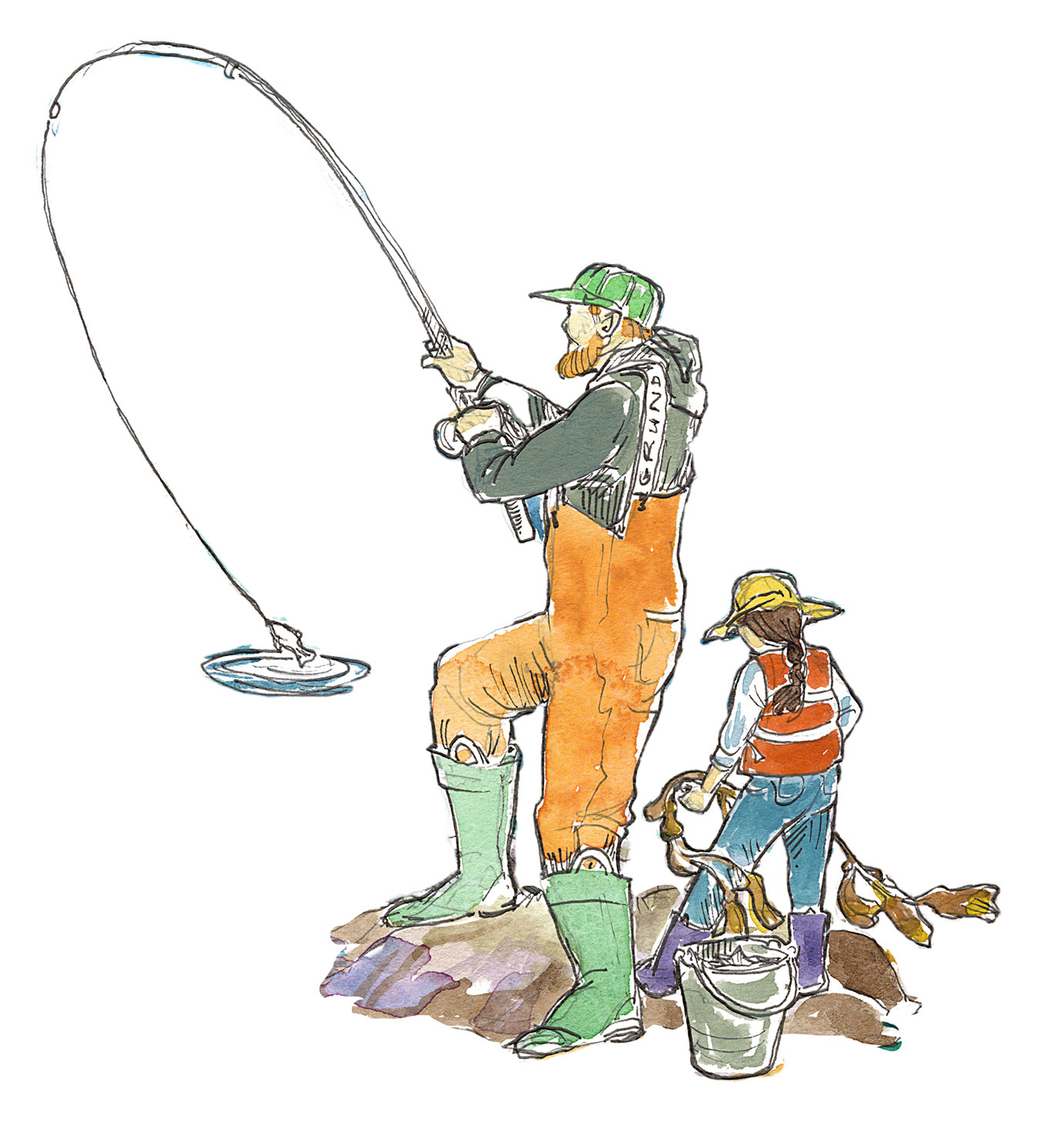
illustration showing person fishing with child collecting seaweed

Humans, Homo sapiens

The interplay between oysters and people is a rich history, and the evolution of the San Francisco Bay’s tidal edge, the Olympia oyster’s native home, is a fascinating coastal anthropology. Change is constant, driven by both geophysical forces and the forces of human enterprise. The current spirit of advocacy and action by people of all backgrounds and disciplines to work towards a healthier San Francisco Bay, and the Olympia oyster’s resilience in the face of human impacts on its habitat, are positive indicators of a growing resurgence of reciprocal respect between oyster and human.

Learn more