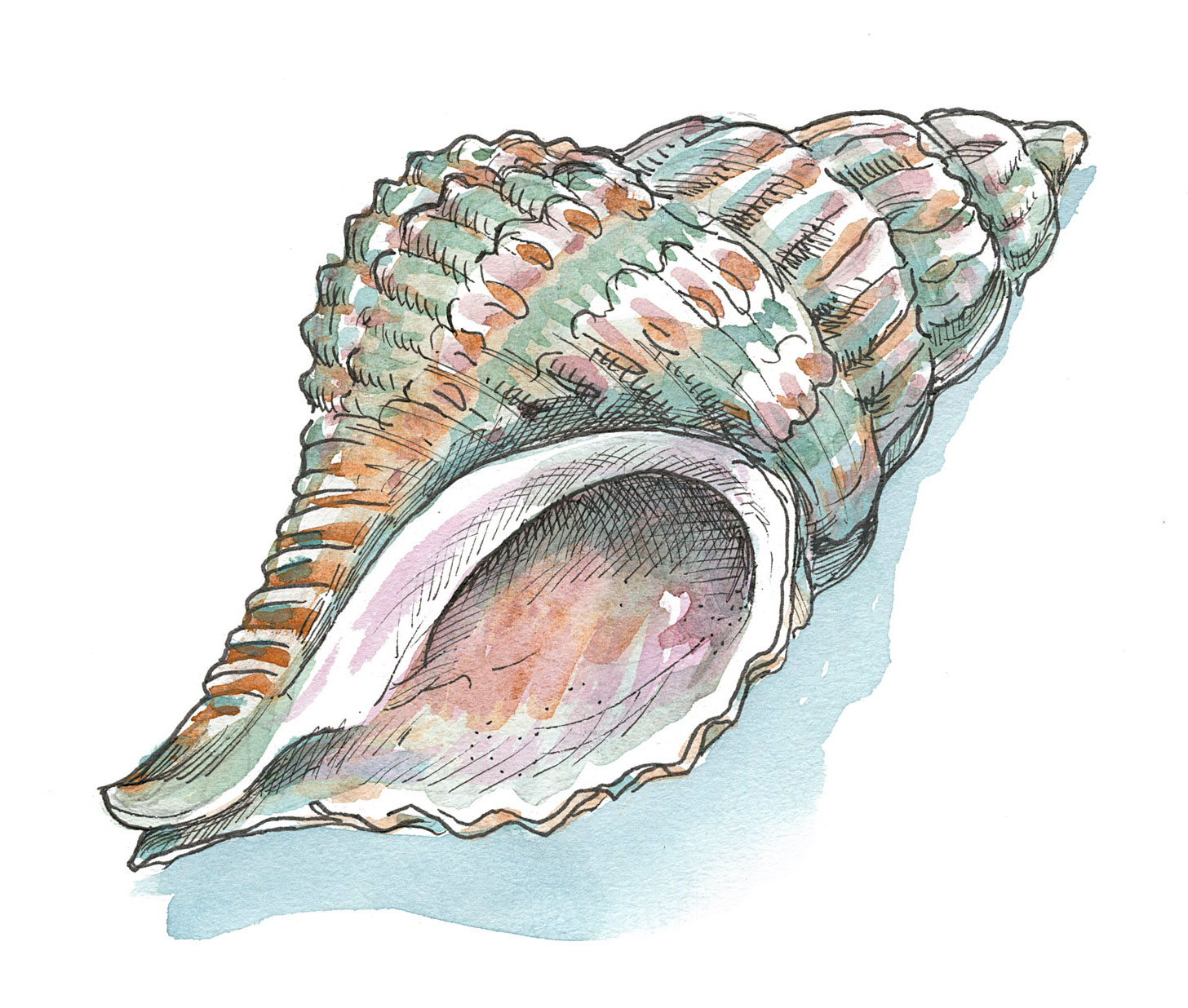
Atlantic Oyster Drill

Urosalpinx cinerea

Atlantic Oyster Drill
Urosalpinx cinerea

Tiny Predator From Afar

In the 1870s when Atlantic oysters (Crassostrea virginica) were first shipped across the continent along the newly connected railroad, a small aquatic snail hitched a ride and has been plaguing the native oysters here ever since. If the Atlantic oyster drill inhabits the same bay as the Olympia oyster, as it does in Richardson Bay in Marin or Eden Landing Ecological Reserve near Hayward, it will search out those oysters, extend its rasping tongue, drill a hole through the oyster shell, and eat the defenseless oyster.
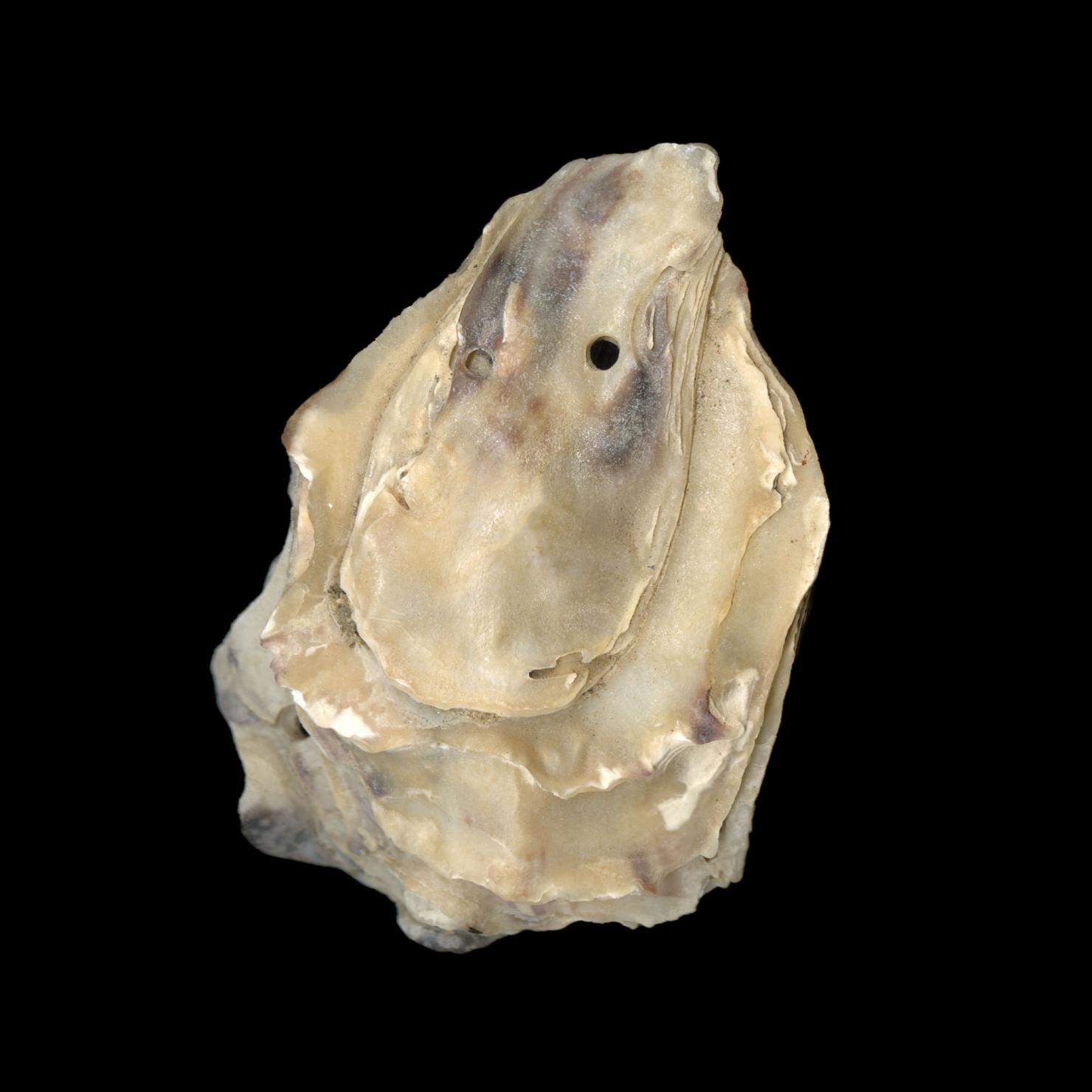
oyster shell with hole made by oyster drill

A young Pacific oyster with the telltale oyster drill hole, a perfect circle. All oysters are prey for the oyster drill.

Photo by Josie Iselin

The mechanisms are a model of aggressive predation. The oyster drill can sense the chemical cues of an oyster’s presence. It climbs aboard and scouts the oyster shell for the thinnest, most vulnerable spot. It then extends its radula, a serrated tongue, and bores a perfectly circular, beveled hole in the oyster shell. It secretes a digestive enzyme through the hole into the shell, digesting the oyster in its own shell and making it easy for the drill to complete the process of eating the oyster.

Fortunately, the oyster drill has a limited ability to migrate to new areas. Its reproductive techniques keep its populations somewhat restricted to where they already exist. It does not broadcast larvae that can float in the water column and then settle elsewhere. Instead, it lays a clutch of encased eggs attached to a hard surface in the intertidal zone. Each enclosure looks like a tiny Roman vase made of amber. The baby oyster drills emerge from the vases already manifest as snails, only able to crawl short distances and vulnerable to their main predator: crabs.

Choosing Wisely

Oyster restoration projects face overwhelming challenges where oyster drill populations are present. Efforts to counteract their impact include hand-removal campaigns in areas like Richardson Bay and the design of oyster reef structures to encourage native crab predators, which can help keep oyster drill populations in check. However, the persistence and adaptability of oyster drills mean that Olympia oysters still struggle, particularly in areas where predatory crabs are less abundant or absent. As sites are chosen for Olympia oyster and living shoreline restoration efforts, the presence or absence of Atlantic oyster drills is a crucial factor. The ongoing battle against oyster drills highlights the complexity of restoring native habitats in urbanized estuaries and the need for innovative ecosystem-based management approaches.

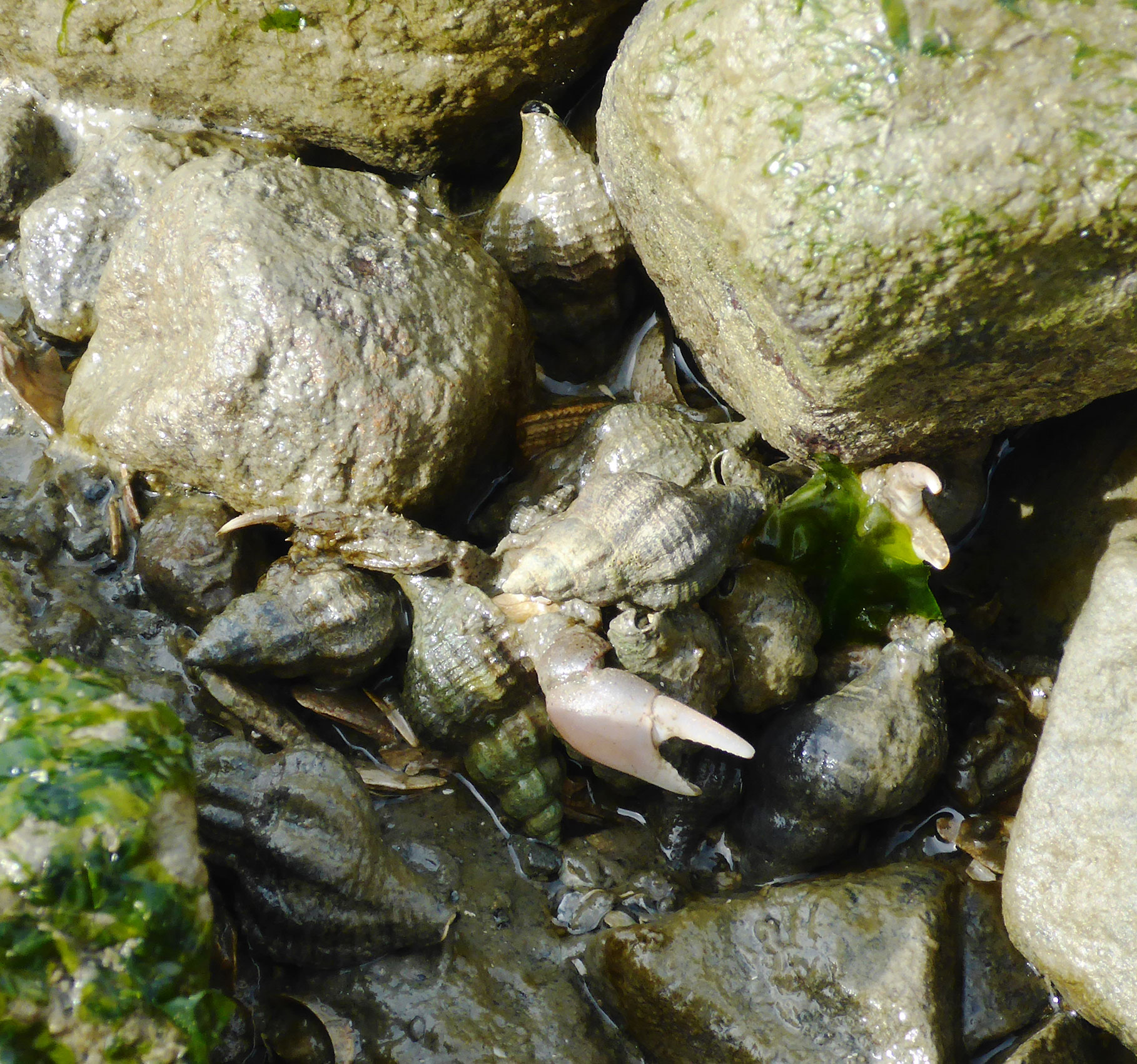
Atlantic oyster drills devouring a trapped crab

Photo by Jeff Blumenthal