Why Olys?

Olympia oysters are the only native oyster growing in bays and estuaries from Southeast Alaska, to Baja, Mexico. They keep a low profile in that liminal space where ocean, river, and marshland meet. As we collectively work to restore estuary health—clear water, clean mud, restored wetlands—Olys can be both a natural ally and a connector to the profound natural and cultural heritage of California’s largest estuary, the San Francisco Bay.

Oly Beds: an Iconic Coastal Habitat Type that has Nearly Vanished

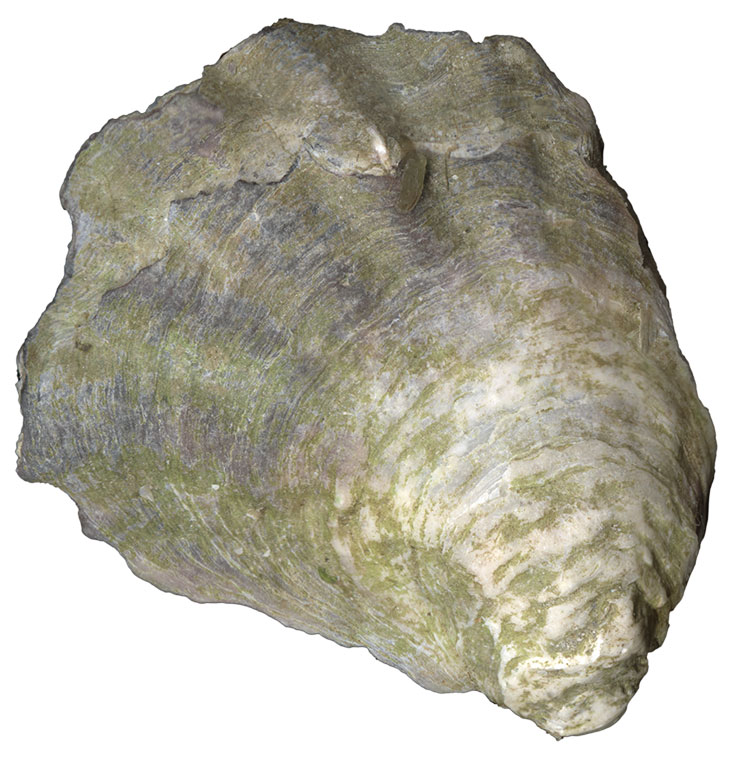
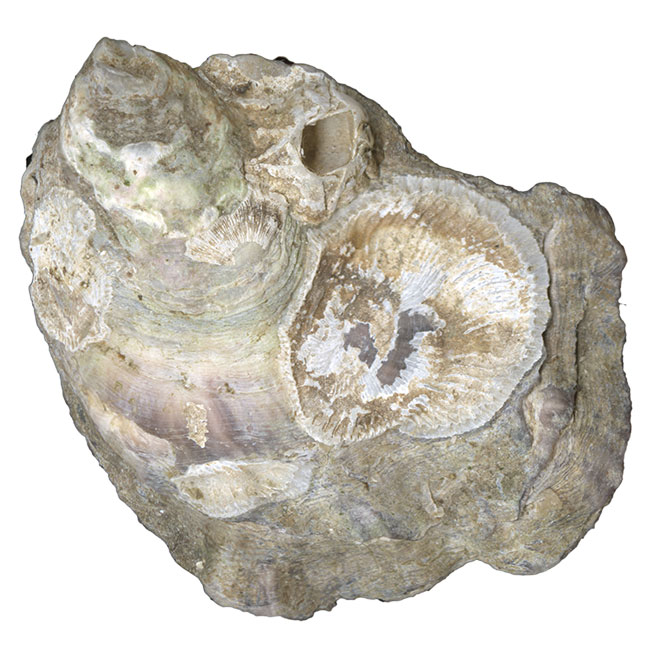
Olympia oysters are small, round, and flat, and when they grow on top of each other, they create structured, dimensional beds. Dense oyster assemblages like these comprise one of the three foundational habitats of a Pacific Coast estuary. The nooks and crannies of an established Olympia oyster bed attract small fish, juvenile crabs, tiny mesograzers, and invertebrate larval settlement, which in turn attract shorebirds, diving and dabbling ducks, herring, and larger fish. Oly beds become a hotbed of estuarine life. But not many people have seen an Olympia oyster let alone an established Olympia oyster bed.
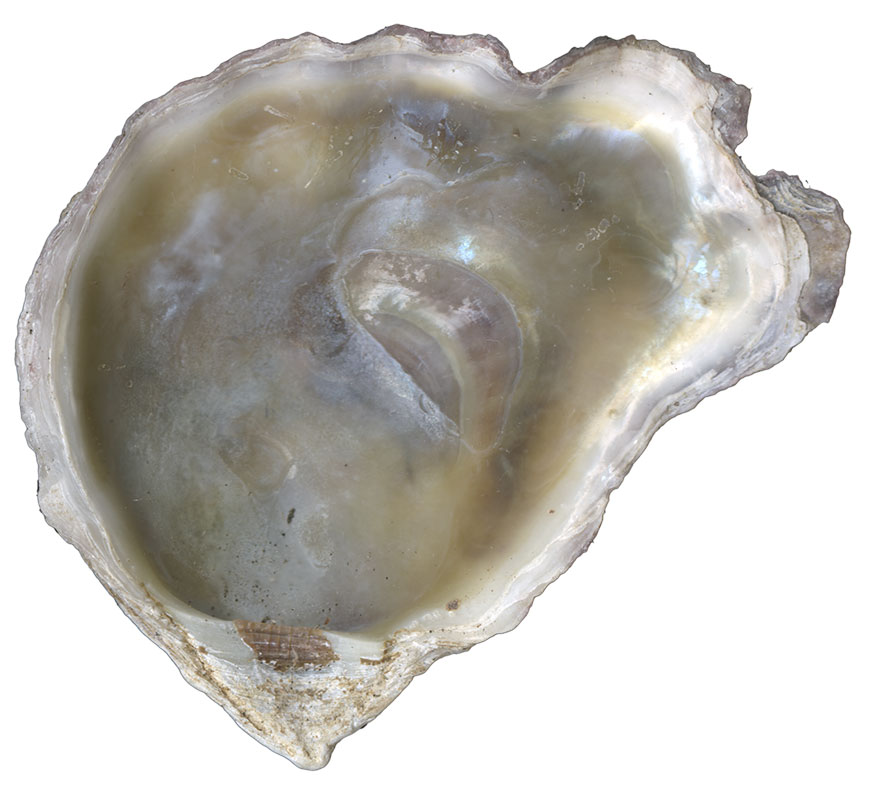
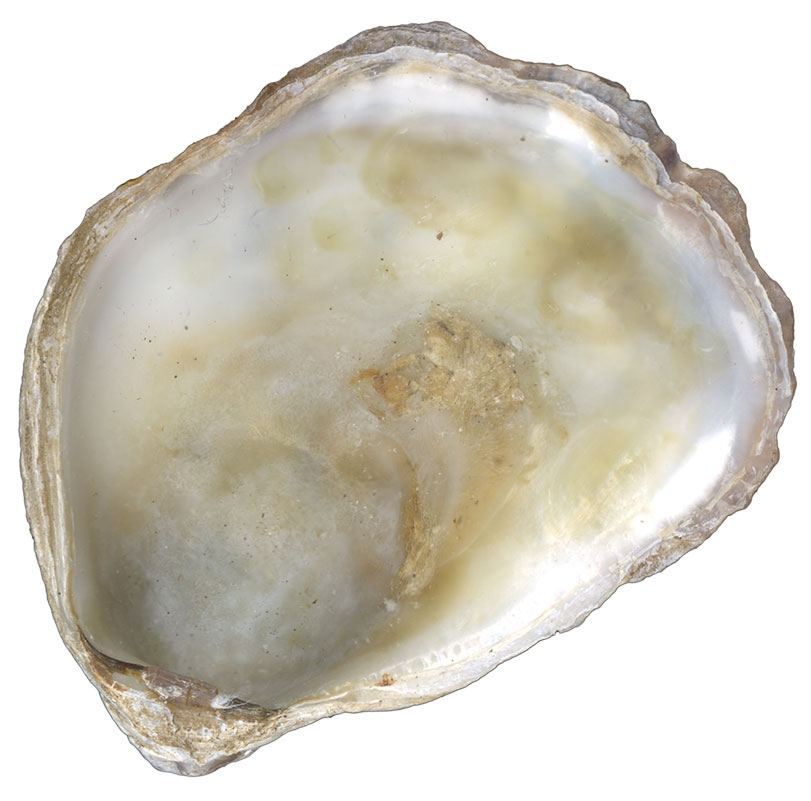
Most people are familiar with the Eastern oyster’s historic significance for great bays such as New York Harbor or the Chesapeake. They encounter large, fluted Pacific oysters (native to the western side of the Pacific) at local oyster bars, but the Olympia oyster’s role in the ecological drama of San Francisco Bay has been all but forgotten. Oysters have created a substructure for diverse lifeforms in bays and estuaries around the world since the early Jurassic period, the age of the dinosaurs circa 170 million years ago. Their impact on the Earth is evident in limestone sediments—lithified oyster reefs and other shells—and cannot be overstated, yet they are most known as a culinary delight rather than an estuarine lifeline. Native oyster beds lined the intertidal and subtidal shorelines of bays and estuaries around the world, including Ostrea lurida along the submerged margin of San Francisco Bay, but they are in steep decline globally, and their estuarine homes are paying the price. Olympia oyster populations along the West Coast are a tiny fraction of what they were before settler-colonial contact. In California, their demise was swift, but their recovery is an exciting work in progress.

“Oyster beds, created by generations of oysters growing on each other, are analogous to coral reefs in tropical waters. But while coral reefs still exist today, very few extensive, intact oyster beds remain on the Pacific coast of North America. California in particular has lost virtually all representation of this distinctive, vital habitat type which not only supported dense oyster populations but also generated a myriad of other functions, such as providing refuge for small animals and sequestering carbon.”

—Native Olympia Oyster Collaborative (NOOC)

Winning the Evolutionary Gamble

Ten million years ago, in the ancient, inland seas of what was to become California, enormous oysters, Crassostrea titan, created vast reefs. Museums are full of fossils of enormous oysters: three-foot-long fossilized shells weighing 10-plus pounds. Over epochs, as the continents sorted themselves out and ice ages came and went, it was the small, some might say scrawny, Ostrea lurida, that persisted on the shorelines of southern California and Baja Mexico and eventually, by the Late Pleistocene, evolved to inhabit the northern shorelines of the Pacific coast as well. But while the Oly developed characteristics that gave it an advantage over other oysters to survive along the eastern edge of the Pacific Ocean, oysters the world over are considered living fossils. Their physiology as a shelled bivalve, and their remarkable ability to consume phytoplankton and thus transform naturally occurring nutrients in estuarine waters into protein-dense biomass, have not changed much over millions of years. Molecular data show that the last common ancestor of all extinct and extant oysters evolved around 252 million years ago at the Permo-Triassic boundary, known as the “Great Dying,” when 96% of marine genera went extinct. Oysters rose from the ashes. There are about 200 species of oysters worldwide; their common names are most often linked to their native geography, their original place.

The modern decline in oyster populations worldwide is mainly due to their residence in the key space where land and ocean come together, the continental edges that humans have come to inhabit. They not only became a key food source for humans, but their home in the intertidal strip between land and sea became disrupted by modern people intent on harvesting, building, filling, polluting, and dominating these naturally biodiverse spaces.

“Humans have now consumed approximately 99 percent of the historical wild population of oysters. In essence, we have destroyed one of the most important building blocks of the ocean ecosystem, without ever knowing the balance it provided.”

Dan Martino — Oysters

The story of Olys in San Francisco Bay reflects this fascinating human history. Its story brings us into the dynamics playing out at the muddy edge where land, river, and ocean meet, a place that a remarkable cast of characters call home. Eelgrass, plankton, crabs, herring, herons, and many others, which include Homo sapiens, create a complex web of interactions where the unassuming Olympia oyster plays an outsized role. Efforts to restore the edges of the San Francisco Bay, to build holistic shorelines, return wetlands to native vegetation, clean up water outflows, and leave carbon-rich sediment and mud undisturbed mean we must understand the complex and dynamic world of the Olympia oyster and learn the art of co-existing with these diminutive mollusks.

The ability of this small oyster to survive through radically different climate conditions, as the planet cooled and then warmed through various glacial periods, is a testament to its resilience, successful evolutionary strategy, and its ability to continue to thrive and survive as a productive eco-engineer in today’s changing climate and changing San Francisco Bay. In fact, with ongoing efforts to restore wetland habitats, the San Francisco Bay today is perhaps more conducive to oyster health than at any time in the past 150 years.

Strength in Numbers

Oly Beds Promote Biodiversity

Olympia Oysters are a foundational species. By filtering water and forming complex shell structures, Olympia oysters significantly contribute to the health of their estuarine ecosystems. The cleaner water improves conditions for other species, especially nearby eelgrass, and the shell beds provide essential living spaces, habitat for organisms like crabs and juvenile salmon. When shorelines are restored as holistic systems with Olys and eelgrass, and other marine and marsh vegetation, a remarkable things can happen: life explodes, water calms, and sediment accretes.

Olys are Exceptional!

Ostrea lurida is an exceptional species for many reasons.

  • Olys brood their young internally, a reproductive practice shared by all Ostrea species. Other oysters simply broadcast their spawn into the water column.
  • Olys grow as a matrix of shells on shells making low-relief beds with peaks and valleys, crooks and crannies. Although they are small compared to other oysters, they have power in numbers; Oly beds attract larvae and promote biodiversity of many kinds of species, many microscopic but no 
    less important to estuarine health. These beds are shelter, home, nursery, and feeding grounds for many other organisms.
  • Oly beds also keep sediment in place, and the structures used to restore Olys in San Francisco Bay can also mitigate erosion from wave action and sea level rise.
  • Olys filter water of phytoplankton and toxins, making it clearer and 
    cleaner, especially attractive for primary producers like eelgrass—an estuarine compatriot—that needs clear access to sunlight to photosynthesize efficiently.
  • Olys are prey, a food source for birds, fish, rays, and snails.
  • Oly shells store carbon as calcium carbonate in their shells and, when combined with mussel, clam and other shelled organisms, create layers of compressed sediment that evenutally lithify into limestone. But the claim of carbon sequestration is complex. Oysters make their shell as breathing organisms that produce carbon dioxide as they build. This respiration offsets the carbon they are sequestering into their shells.

Learn more about each topic on the Olympia Oyster page.