Seaweed

Photo by Chela Zabin

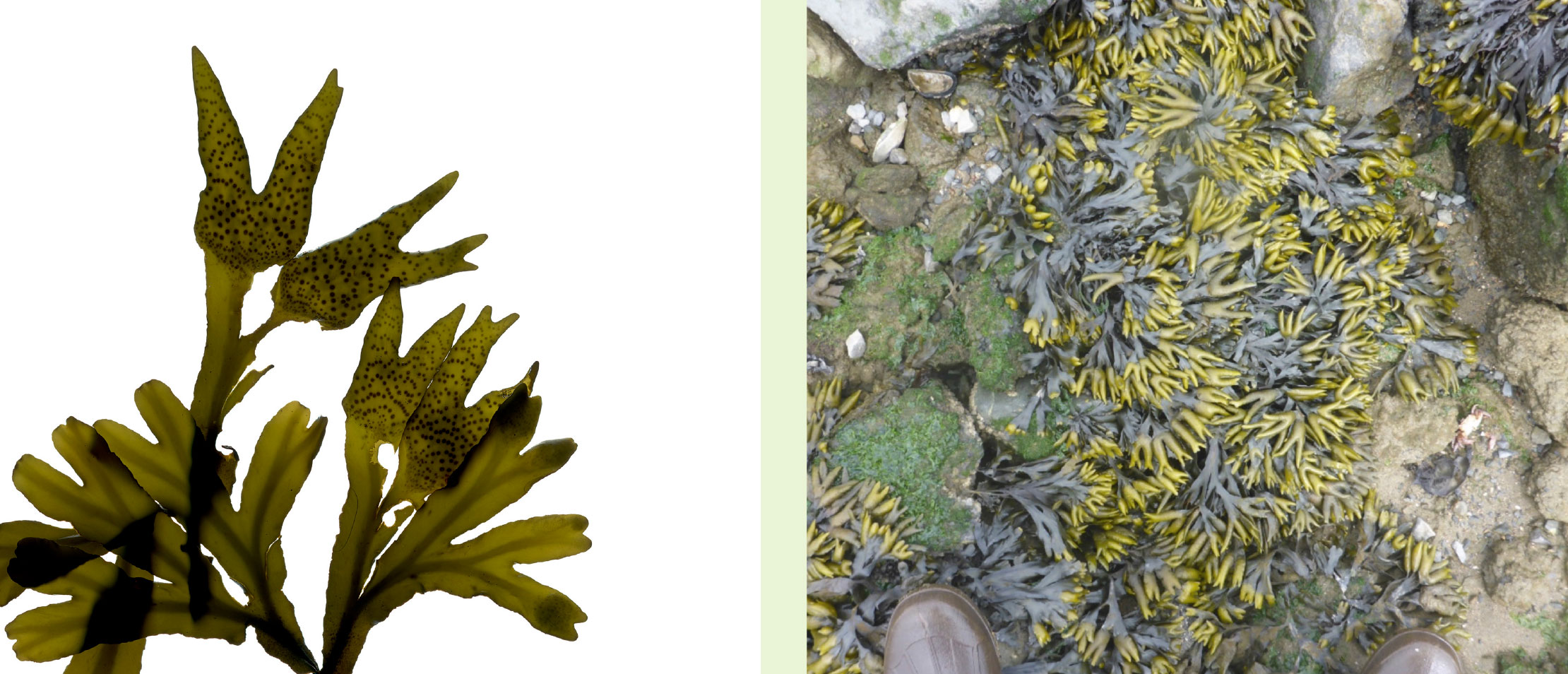
Rockweed, Fucus distichus

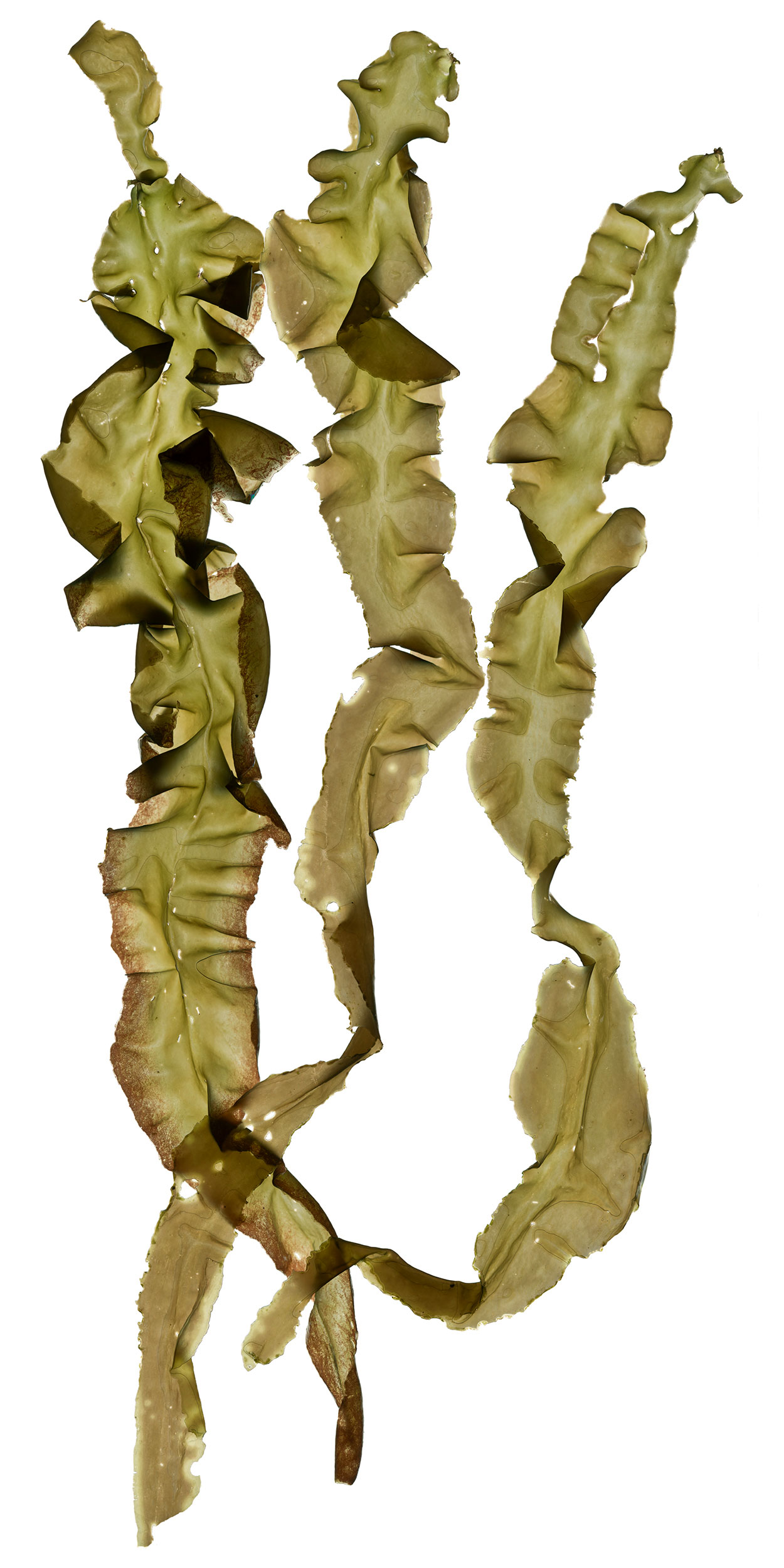
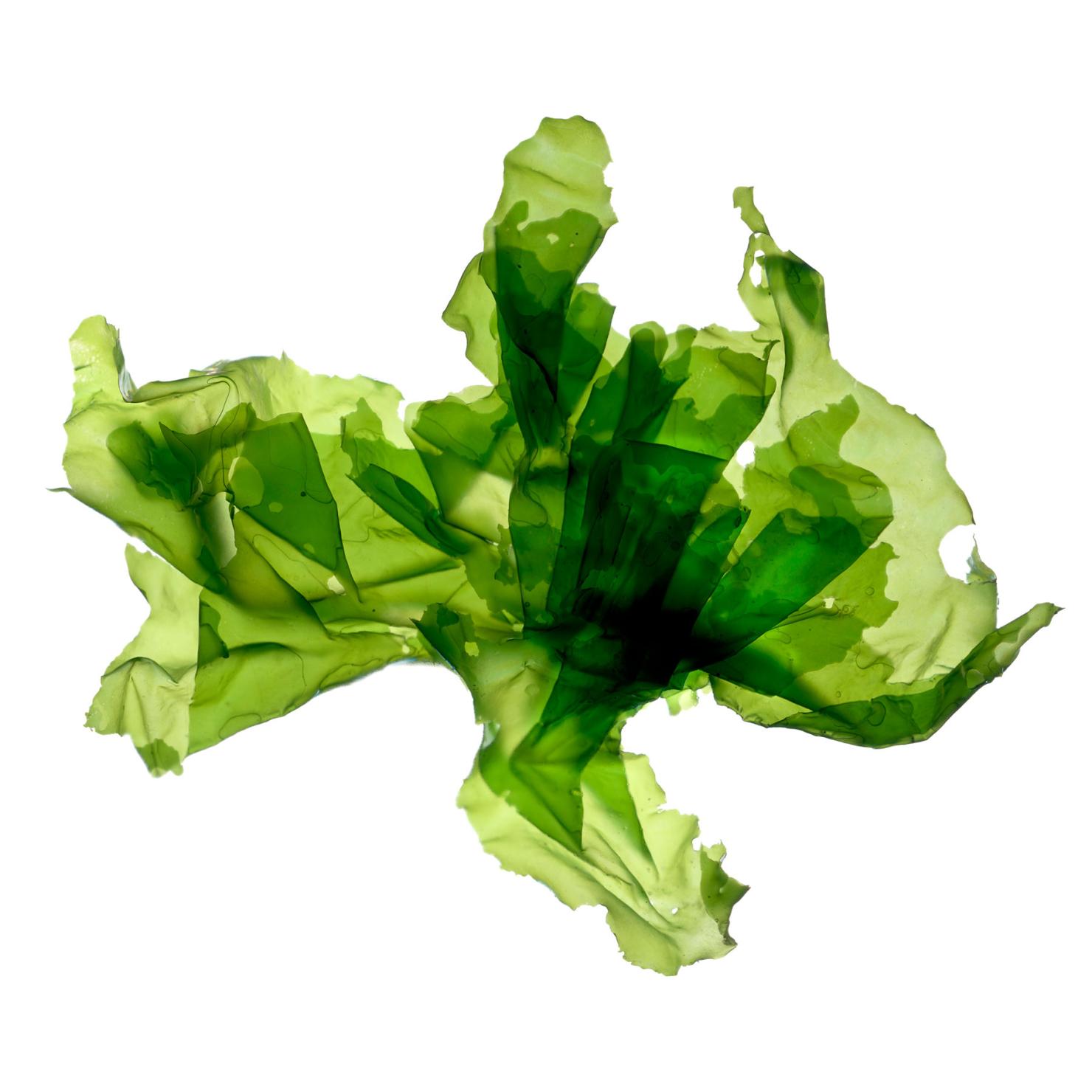
Sea lettuce, Ulva spp.

Seaweeds of the Bay

Rockweed (Fucus distichus) and sea lettuce (Ulva spp.) are the two kinds of seaweed most commonly found along the shores of San Francisco Bay, where one might also find Olympia oysters. They share the same spaces. When picking one’s way along the cobbles and boulders between the beaches at The Albany Bulb shoreline, or inspecting reefballs for oysters at Herons Head Park on the San Francisco side, sea lettuce is often the most conspicuous organism in the rocky intertidal zone. The transparent blades are only two cells thick—so thin that they cannot hold themselves upright without the buoyancy of seawater. They drape over the rocks like dark tissue paper. But when lifted and spread by the rising tide, these blades present an expansive array of identical cells, each with a chloroplast ready to be ignited by a photon.
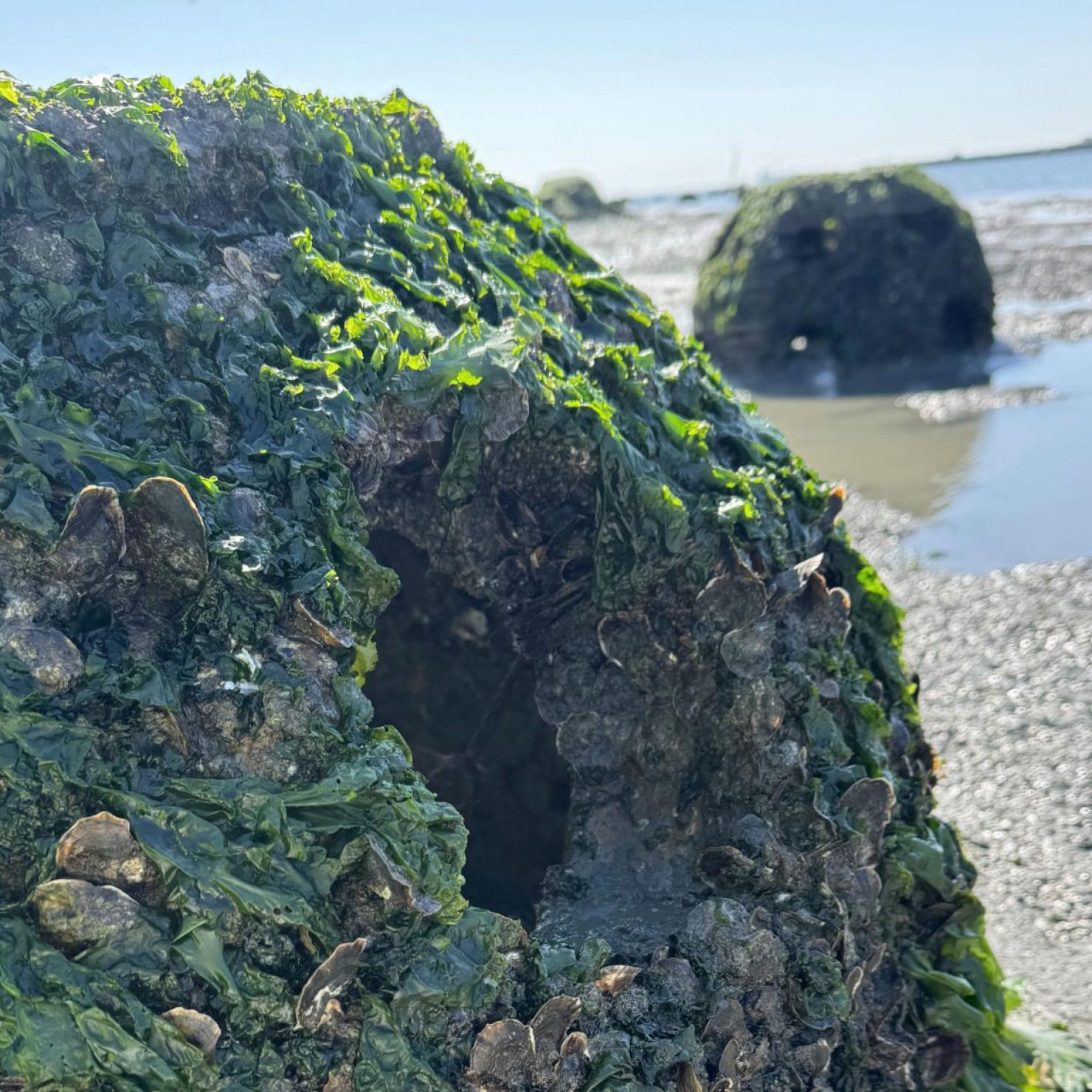
Reefball with Ulva

Reefball with Ulva

Photo by Chela Zabin

Like the phytoplankton, Ulva, and all seaweeds are primary producers, fueling growth with sunlight. They are considered macro-algae as opposed to the single-celled micro-algae, but their mechanism for growth is the same. The chloroplasts of green algae are what evolved to give us green plants on land.

Green Sea Lettuce

Green Sea Lettuce

Photo by Josie Iselin

The rockweed, Fucus distichus, is another stalwart of the rocky edges of the Bay. Fucus is in the brown category of seaweeds and has an extra brown pigment to help it collect light, which, combined with its green chlorophyll, give it a lovely olive brown color. Rockweed has a bit more structural integrity than sea lettuce, its bulbous ends, or conceptacles, making slightly inflated, branched fingers, sometimes round and sometimes pointed.

Partners in the Intertidal

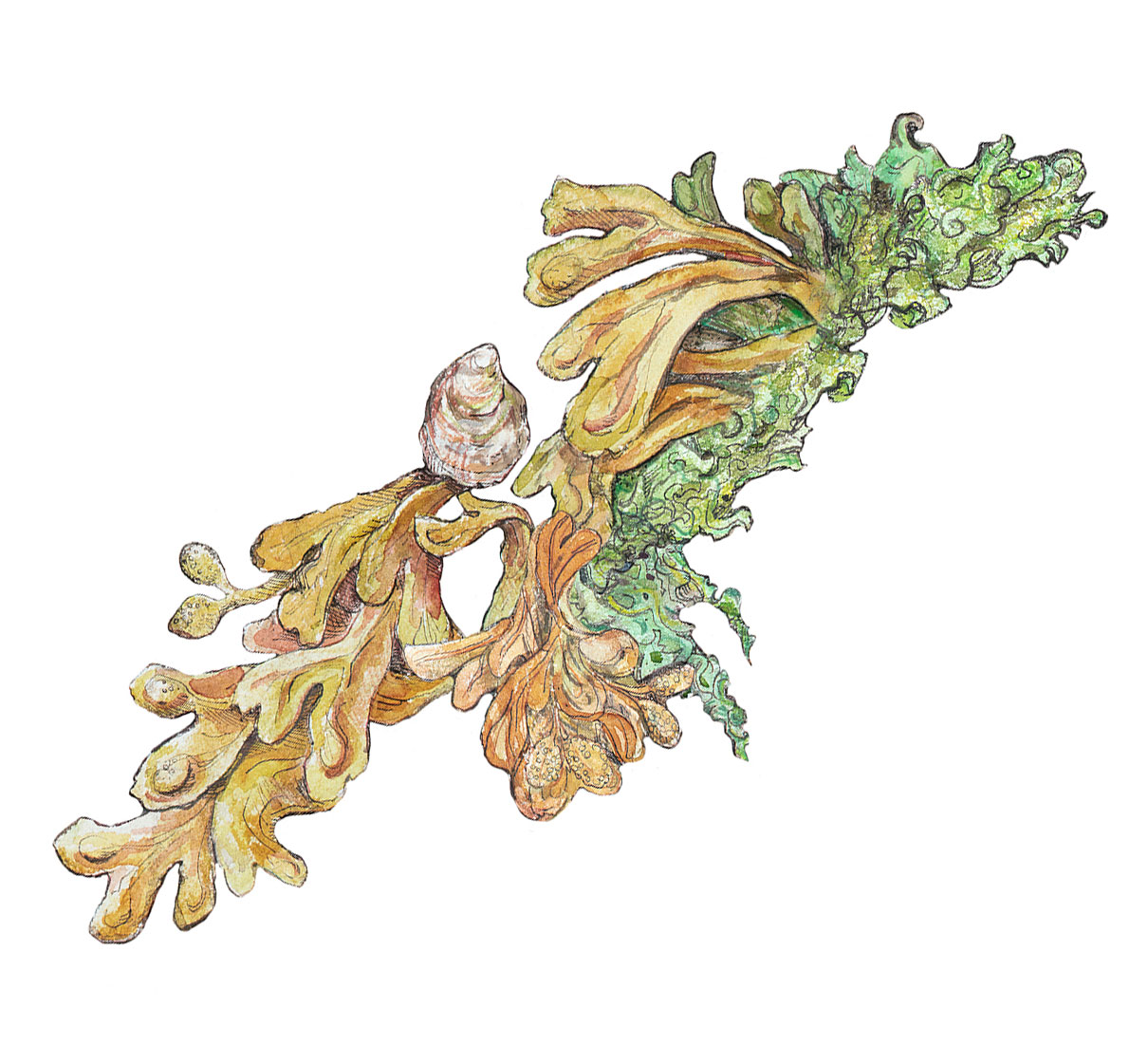
Both Fucus and Ulva grow on hard substrate like oysters, and are, likewise, masters at success in the intertidal zone, where the tide goes out every six hours leaving everything above the low tide line exposed to sun and wind. Like the oysters, seaweeds are excellent at holding in moisture, both within their cells and trapped in their leafy folds. For this reason, Ulva and Fucus are excellent neighbors for Olympia oysters. The partnership is strong. Not only do rockweed and sea lettuce provide shade for Olys underneath them, they also provide needed moisture during the desiccating hours of low tide.

Inflated tips of the fucus indicate that it is reproductive.

Photo by Josie Iselin (left) and Chela Zabin (right)

Nori, a Happy Byproduct

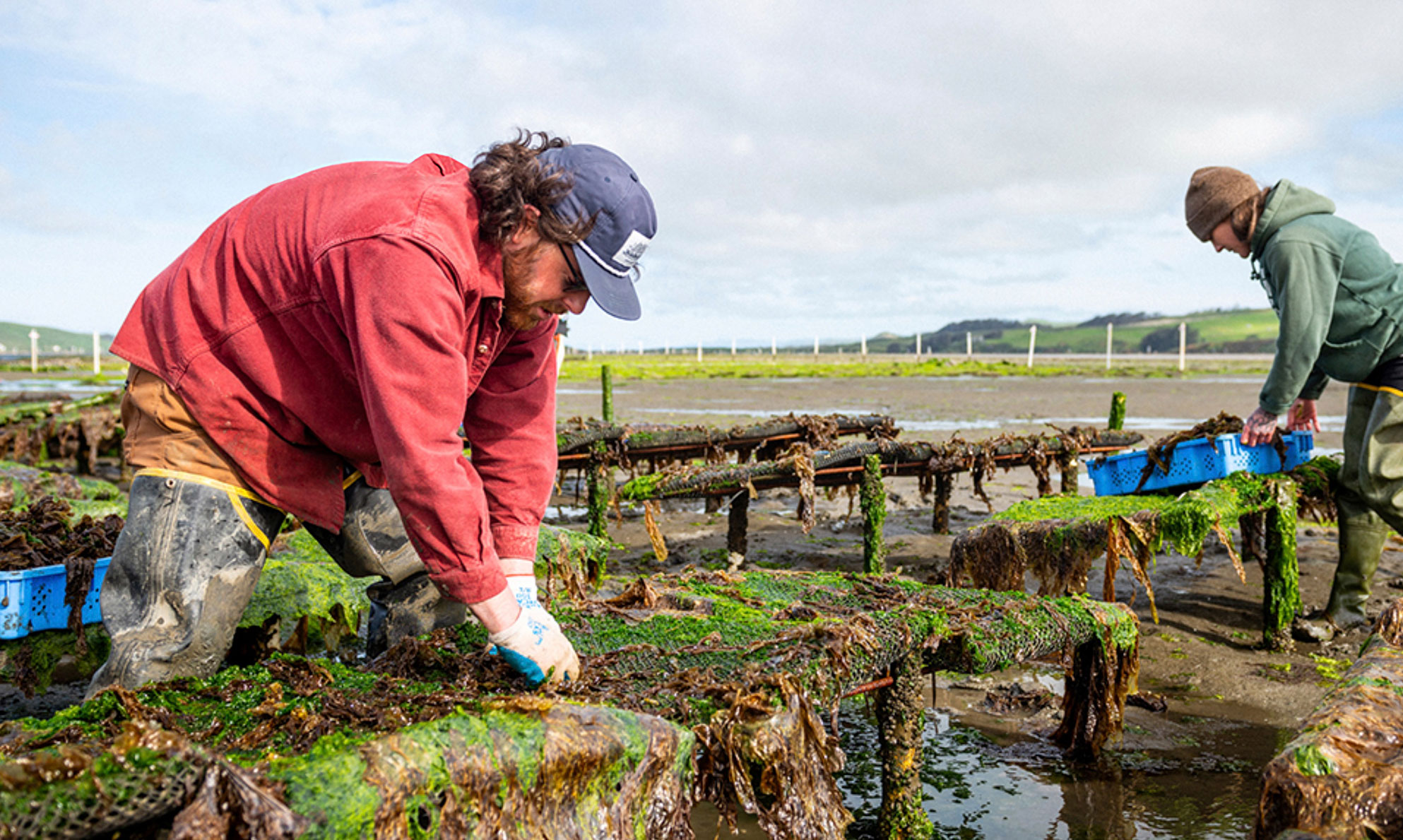
Seaweeds have also become a marketable byproduct of oyster aquaculture. Hog Island Oyster Company in Tomales Bay has been harvesting the nori that grows naturally on its oyster cages and farm structures. Pyropia, as nori is known technically, is one of the most universally eaten seaweeds around the world, by Tribes all along the Pacific northwest coast, and produced industrially by the Japanese for many centuries. Hog Island cultivates a range of oysters, including occasional batches of Olympia oysters, and other mollusks such as abalone, mussels and clams. While both sea lettuce and nori grow on the aquaculture gear, nori is better at integrating into products such as miso nori butter, therefore Hog Island applied for permitting to harvest just the nori.

Nori

Photo by Josie Iselin

Seaweed harvest at Hog Island Oyster Co. on Tomales Bay, CA

Photo courtesy of Hog Island Oyster Co.