An Oyster Shell Recycling & Research Program

To help rebuild native Olympia oyster habitat in San Francisco Bay

Eat an Oyster—Build A Reef

The Estuary & Ocean Science Center is partnering with Hog Island Oyster Company and Conservation Corps North Bay to pilot an oyster shell recycling program starting in 2026. The shells collected from Hog Island Oyster Company restaurants, the largest source of shell in the region, will ultimately be utilized in Olympia oyster restoration and living shoreline projects around San Francisco Bay.

But first, the EOS Center will study the pilot program’s logistics to recommend how to accomplish shell collection from restaurants for restoration purposes in a low impact, carbon-neutral way. It is important to know if these efforts are worth the considerable resources it takes to make them happen. Over the next few years, this new program will find out.

From Ocean Farm to Table

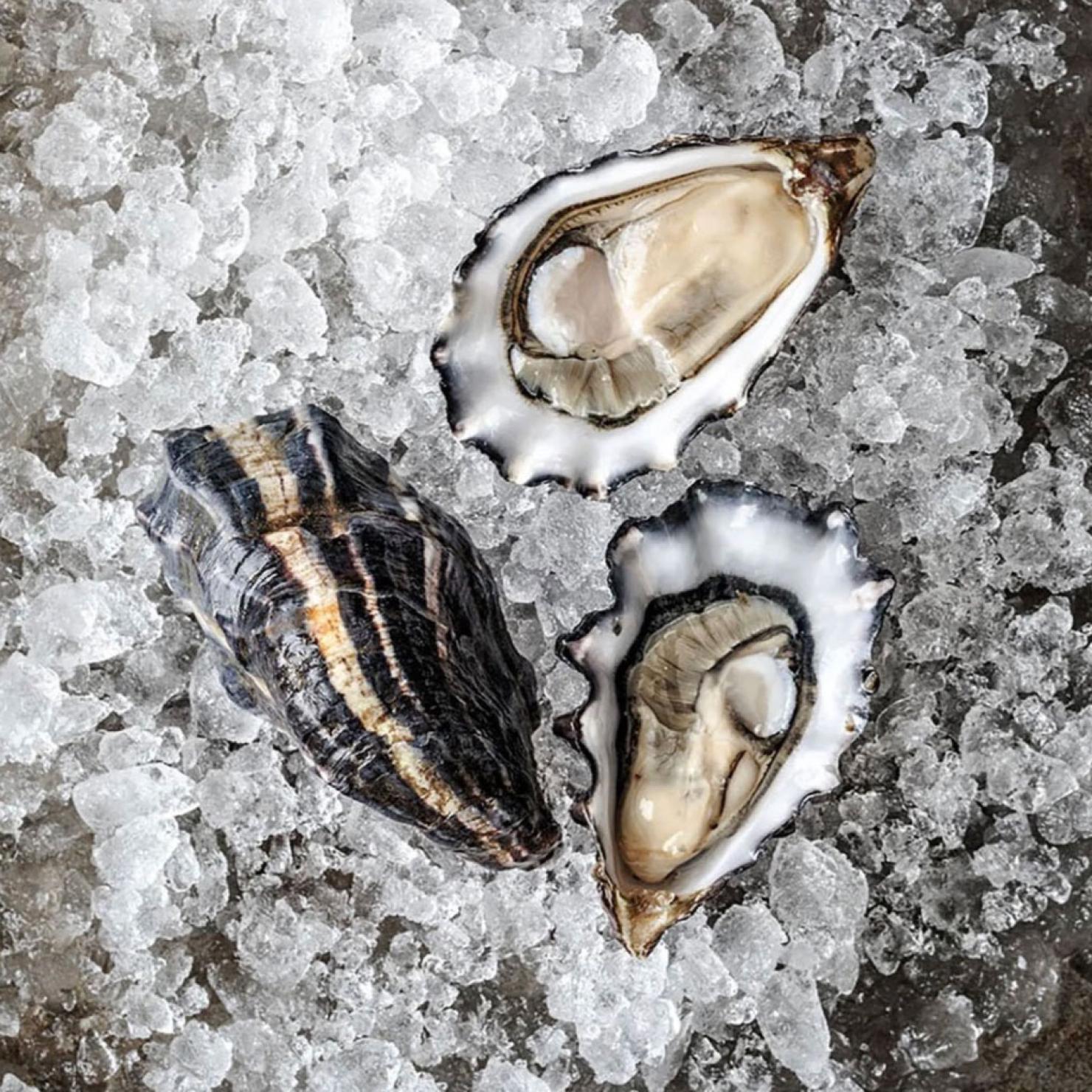
Pacific oysters on ice

Pacific oysters on ice, raised by oyster farmers in Tomales Bay, and ready to eat.

Photo courtesy of Hog Island Oyster Co.

The California oyster farmer’s job is to grow an oyster big enough to eat from a microscopic oyster seed. Cultivation begins in the farm’s hatchery and proceeds through the farm’s specialized nursery growing system; once big enough the oyster babies, each attached to their own tiny bit of shell, are then put out into the clean waters of Tomales Bay to grow until table ready. Oyster farms on Tomales Bay grow a number of varieties of Pacific oysters, Crassostrea gigas, because they grow fast and reliably, and taste delicious. The original Pacific oysters were brought over from Japan in the early 20th century and thrived in the cold waters on this side of the Pacific. They are much bigger and grow much faster than the native Olympia oysters, Ostrea lurida, of this coast.

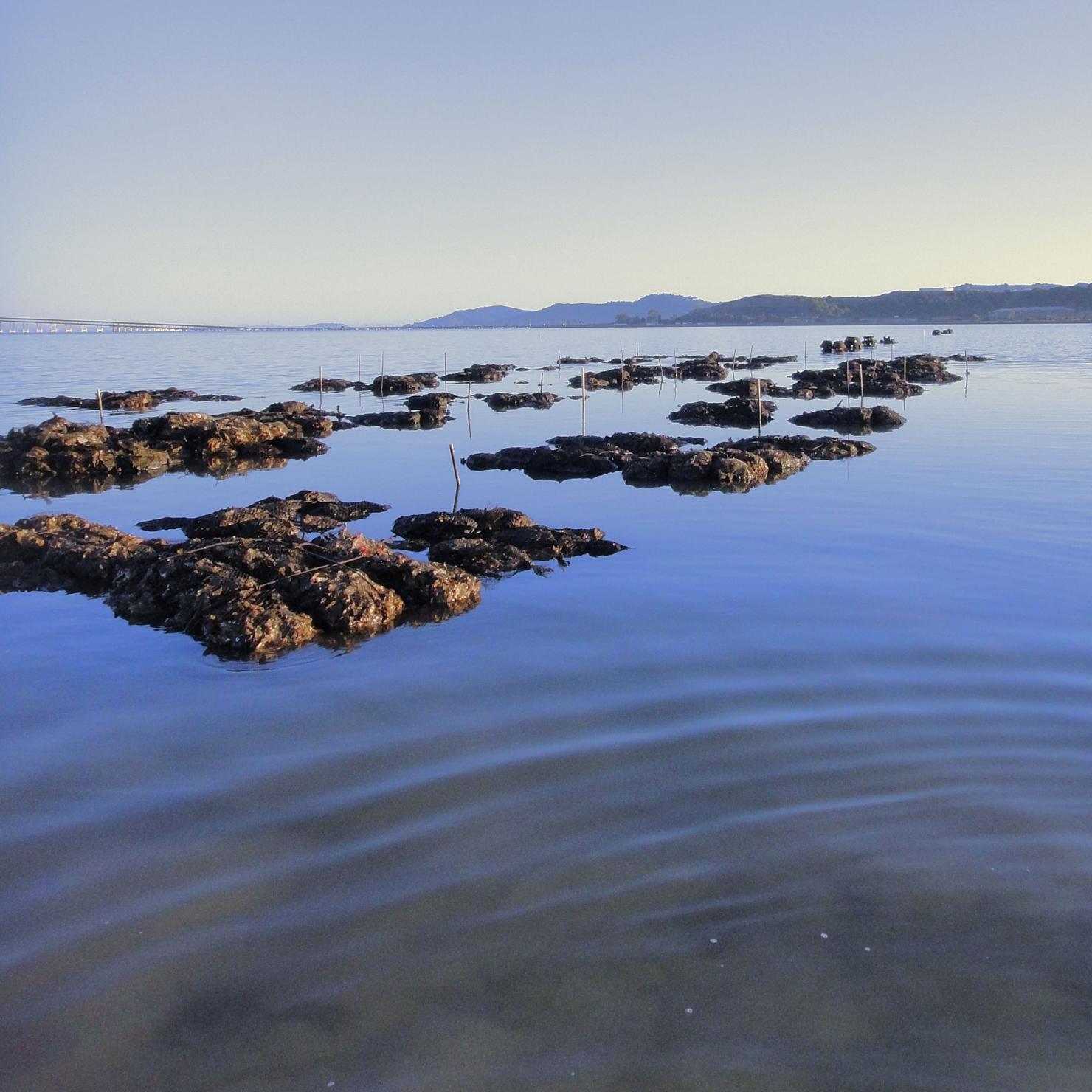
Restoration project in San Francisco Bay

A Living Shorelines restoration project in San Francisco Bay using Pacific oyster shells collected in bags to make new reef structures for native Olympia oysters to settle on.

Photo courtesy of SCC

From Tomales Bay to San Francisco Bay

All oysters love to settle and grow on other shells, eventually accumulating into three-dimensional structures with nooks and crannies, called a reef, or bed. Shucked Pacific oyster shells from restaurants are the perfect material to make new reef structures for the smaller, native oysters to settle upon. This recycling program aims to get shells from Tomales Bay to San Francisco Bay using the Conservation Corp North Bay’s workforce to do just that. But it takes time. Shells must cure in the sun before going out in the Bay to make sure no hitchhikers are introduced. Your oyster shell could be a home for a baby Olympia oyster...next year!

A New Home for Olys in San Francisco Bay

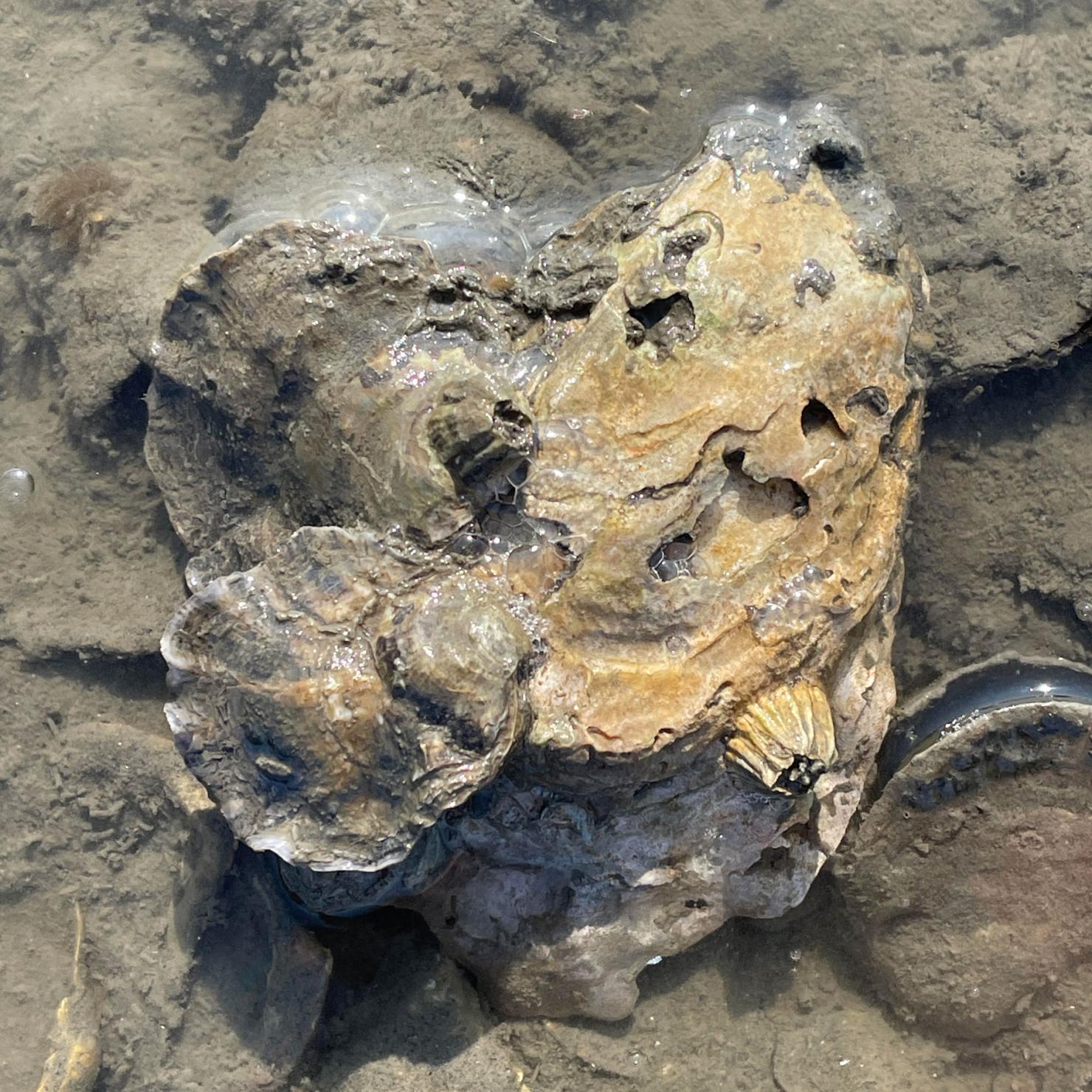
Two roundish Olympia oysters attached to this single Pacific oyster shell

Native Olympia oysters love to settle on the shells of larger Pacific oysters. There are two roundish Olympia oysters attached (on the left) to this single Pacific oyster shell. Even a barnacle likes the real estate.

Photo courtesy of Josie Iselin

Olympia oysters—nicknamed Olys (Oh’lees)—are the small, native oysters of the Bay region. Native oyster beds create important habitat for other organisms, increasing biodiversity and the overall health of the estuary—they are an important player in the Bay’s overall ecology! But they grow slowly and keep a low profile. Olys were harvested to virtual extinction during the Gold Rush, and the degradation of San Francisco Bay in the 20th century ensured their demise. But they are there, and a growing effort to bring them back is building momentum. Olys need hard surfaces, and particularly like other shells, to grow on. The shells of the oysters you enjoy in restaurants around the Bay Area can be that home; they can be part of a Living Shorelines project that puts bags of Pacific oyster shells into the Bay to reduce wave energy and shoreline erosion as sea levels rise, while creating habitat for Olympia oysters, young salmon and herring, baby crabs and more, attracting birds and making our Bay a healthier place.

logo for Eat and Oyster, Build a Reef program
Photo by Jak Wonderly

Program Partners